
Custom Kitchen Knife Manufacturing for Your Brand
Your Brand. Your Knife. Our Manufacturing Expertise.
Bring your kitchen knife concept to life with HONWAY's OEM and ODM manufacturing services. From blade geometry and handle design to logo application and retail packaging, we help brands develop products that balance appearance, performance, manufacturing feasibility, and consistent quality.

What Can You Customize?
Every brand serves a different market. HONWAY supports product customization across key design and manufacturing elements, helping customers create kitchen knives aligned with their brand positioning and product requirements. Start with the choices that define your product, then review their effect on cost, tooling, testing and production.

Blade Shape & Size
Explore different blade profiles, lengths, and designs to suit specific kitchen applications and market preferences. Specify the cutting task and reference dimensions so the proposed profile can be reviewed for use and production.
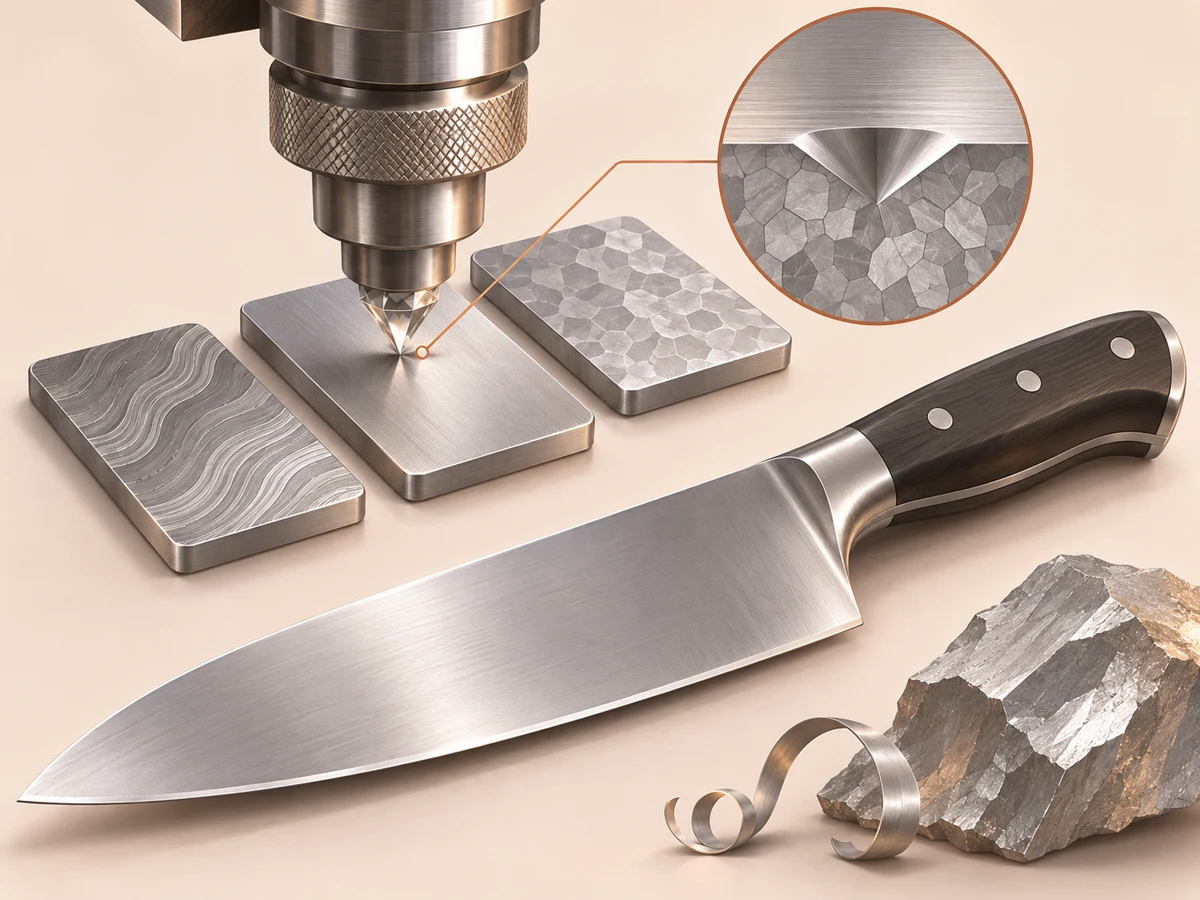
Steel & Hardness
Select appropriate blade materials and target performance requirements based on intended use, product positioning, and manufacturing feasibility. Steel availability and the proposed hardness range must be confirmed together; neither should be selected in isolation.
Edge Geometry
Define blade geometry and edge specifications to balance cutting performance, durability, and user requirements. Agree on how the edge will be evaluated during sampling and which characteristics must remain consistent in production.
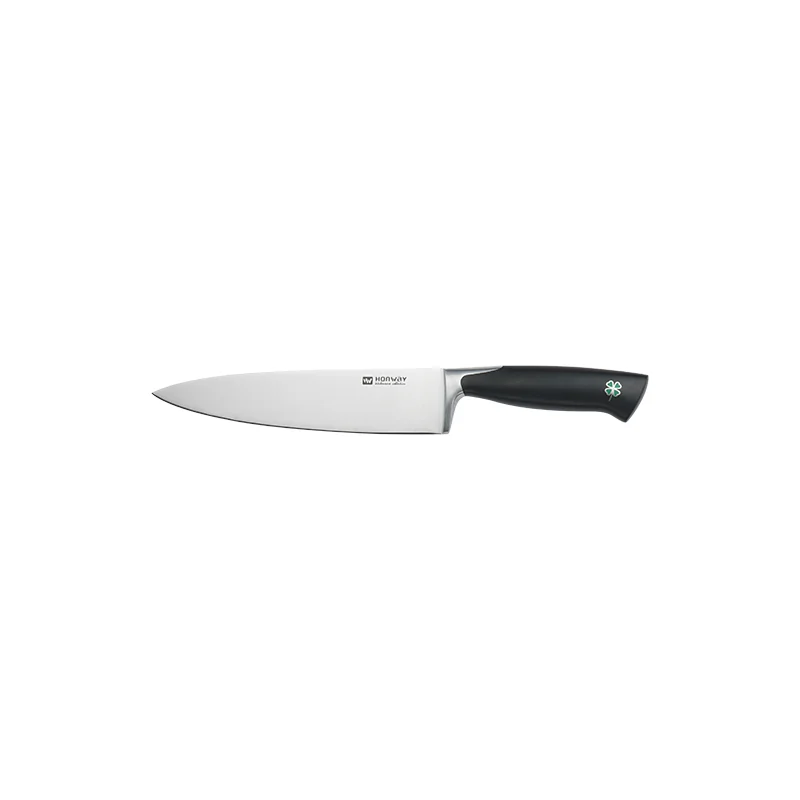
Handle Design & Materials
Customize handle shape, construction, finish, and material options to match your product concept and target audience. Review grip, assembly and appearance using a physical sample before confirming the final combination.
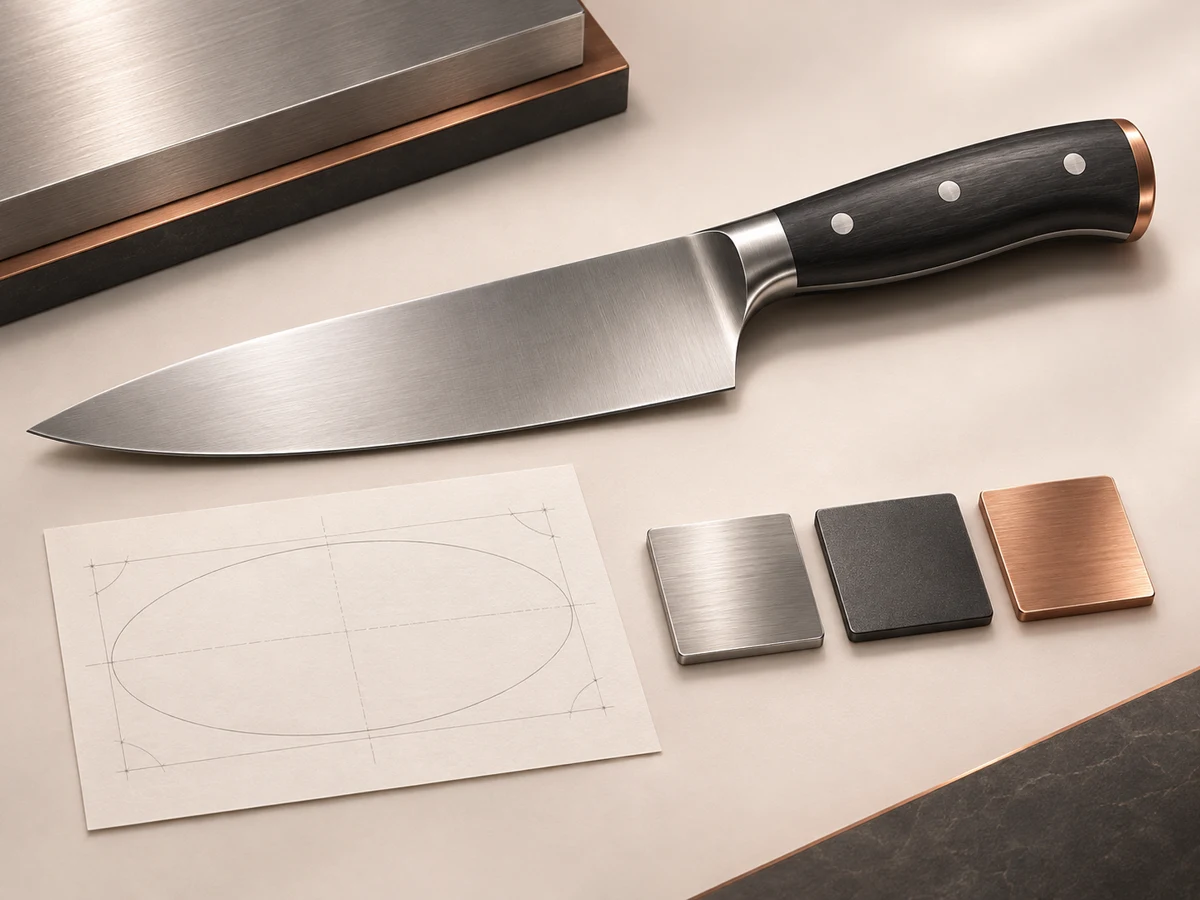
Branding & Finishing
Integrate your brand identity through approved logo application, surface finishing, and product presentation options. Supply editable artwork and confirm placement, size and appearance against the approved sample.
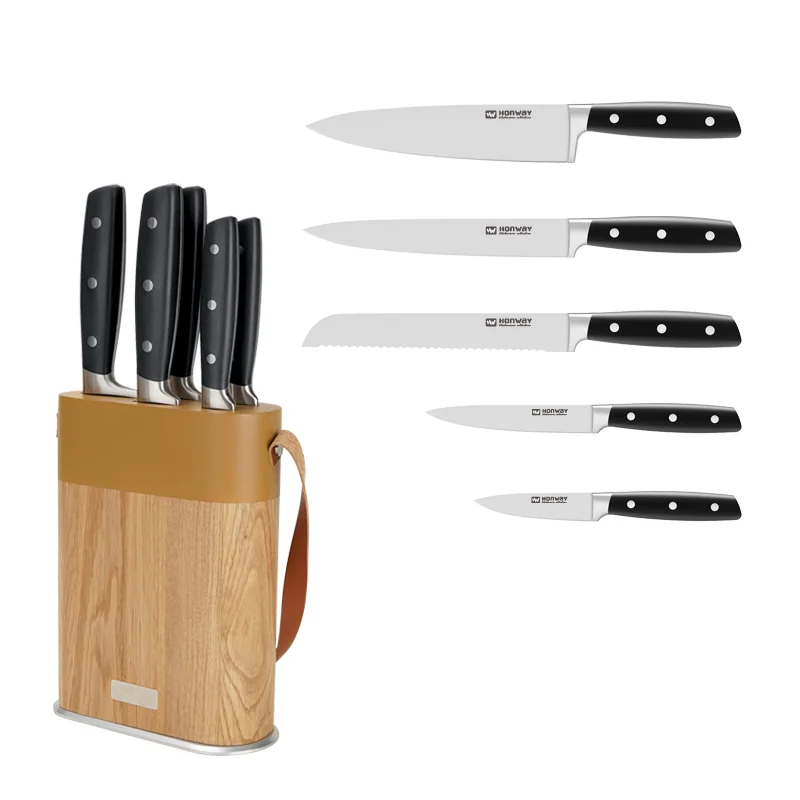
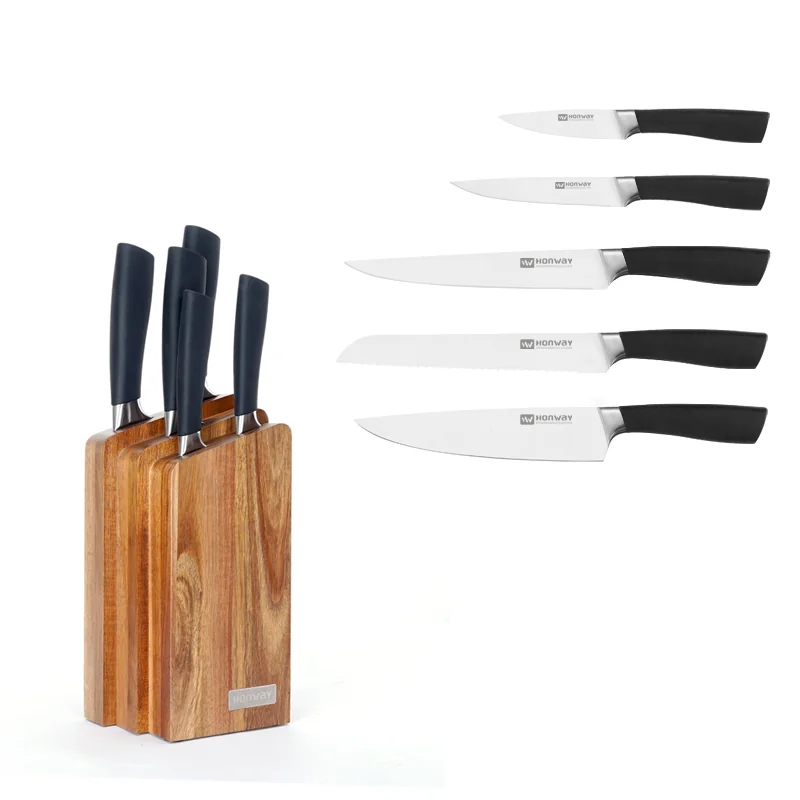
Packaging & Knife Sets
Develop individual retail packaging, coordinated knife sets, and private-label presentation solutions. Confirm the product mix, protective elements, artwork and packing arrangement before production packaging is released.
OEM & ODM Solutions
Choose the starting point that matches your project. The scope of engineering, sampling and tooling will be reviewed before a production commitment is made.
OEM Manufacturing
Already have a product design or detailed specifications? HONWAY can review your requirements and support manufacturing based on approved technical documentation and production standards. Provide the current drawing revision, material requirements, inspection criteria and packaging brief so gaps can be identified before quotation.
ODM Development
Starting with a concept? Our product development approach helps turn initial ideas into practical designs through engineering review, sampling, testing, and production preparation. Share the intended user, price positioning and product references to establish a practical development brief.
From Concept to Production
A clear approval sequence connects your brief with the finished order. Each stage establishes the information required for the next decision.
Project Requirements
Share your target market, intended use, product references, expected order quantity and planned launch date. Include any mandatory dimensions, preferred materials, packaging needs and inspection requirements. This information establishes the scope of the project and highlights decisions that still need to be made. HONWAY can then review the brief with you before design work, sampling arrangements or a production quotation are confirmed.
Design & Feasibility Review
The proposed knife is reviewed for its intended application and manufacturing requirements. Blade shape, handle construction, assembly and finishing choices should work together within the target product positioning. Potential tooling needs, difficult features and specification gaps are identified for discussion. The outcome is an agreed direction for development, with any required adjustments made visible before time and resources are committed to samples.
Material & Specification Selection
Material choices are considered alongside blade geometry, target performance, appearance and cost. Customers can identify a preferred steel or handle material, while availability and processing requirements are reviewed for the project. Important dimensions, finishes and inspection criteria should be recorded in the specification. This creates a common reference for sample preparation and helps prevent unapproved substitutions as the project moves forward.
Prototype Development
A prototype translates the agreed design into a physical product for evaluation. Its purpose is to make appearance, handling, construction and key specifications easier to assess together. The sample scope, any temporary features and the evaluation method should be agreed in advance. Customers should review the prototype against the brief and identify specific changes, rather than treating an early sample as automatic approval for production.
Sample Evaluation
Review the sample for dimensions, blade profile, grip, balance, finishing and the performance requirements agreed for the project. Where testing is needed, define the method and acceptance criteria before interpreting results. Record feedback clearly and identify which changes require a revised sample. The approved sample and the corresponding specification should agree, giving both teams a reliable reference for the next stage of work.
Production Preparation
Before a production order is released, confirm the final specification, sample approval, artwork, packaging arrangement and inspection requirements. Material availability, tooling status and the production schedule also need review. Any unresolved changes should be closed or explicitly agreed. This preparation helps connect the approved product concept with the instructions needed by manufacturing and quality personnel, reducing the risk of different teams working from different versions.
Mass Production
Production follows the approved requirements and the manufacturing route appropriate to the product. Relevant process and inspection checkpoints help teams identify variation while work is in progress. If a proposed change affects materials, dimensions, appearance or delivery, it should be reviewed before implementation. Project communication should focus on the agreed milestones and any decisions needed from the customer to keep the order moving.
Quality Inspection & Delivery
Finished products and packaging are reviewed against the agreed order and inspection requirements before release. The scope of inspection records and any customer or third-party inspection arrangements should be confirmed for the project. Packing details and shipment requirements are checked alongside product readiness. Delivery planning is completed with reference to the agreed commercial terms, documentation and confirmed production status rather than an assumed standard lead time.

A Shared Reference for Repeat Orders
An approved sample is most useful when it is supported by a clear product specification. Record the material, dimensions, finish, logo and packing requirements together, then review proposed changes before implementation. For repeat orders, confirm the applicable version and any changes in quantity or market requirements. This helps buyers compare like-for-like quotations and maintain a consistent product offer.
Related Capabilities
Frequently Asked Questions
What is the difference between OEM and ODM kitchen knife manufacturing?
OEM generally starts with customer-provided designs or specifications. ODM begins with a product concept that requires further development. The engineering scope, ownership arrangements, tooling and approval responsibilities should be agreed for the individual project.
Can HONWAY customize blade shapes and handle designs?
Blade profiles and handle concepts can be reviewed as part of an OEM or ODM brief. Feasibility depends on the construction, material, tooling and production requirements. Send drawings or references so available options can be confirmed.
Can we add our own brand logo?
Your logo can be included within the agreed branding scope. Provide editable artwork, the preferred location and any appearance requirements. The application method and final result must be approved before production.
Do you support custom retail packaging?
Custom retail packaging can be reviewed with the product brief. Include box style, artwork, labels, barcode information and packing requirements. The available construction and supply arrangements will be confirmed for the project.
What information is needed to request a quotation?
Send your product type, drawings or references, target market, material preferences, order quantity and packaging requirements. Include testing criteria and the required delivery date if known. Open specification points may affect the quotation.
What determines MOQ and lead time?
MOQ and lead time depend on the design, materials, tooling, packaging, quantity, approvals and current production availability. Request a project-specific quotation; no fixed quantity or delivery period applies automatically to every knife.
Start Your Custom Kitchen Knife Project
Tell us about your product concept, technical requirements, target market, and expected order quantity. Our team can review your requirements and discuss the next steps.