
From Product Development to Kitchen Knife Production
A Structured Process from Concept to Finished Product
Kitchen knife manufacturing involves a sequence of design decisions, material preparation, controlled production processes, and quality verification. HONWAY coordinates these stages to support product requirements and reliable production outcomes.
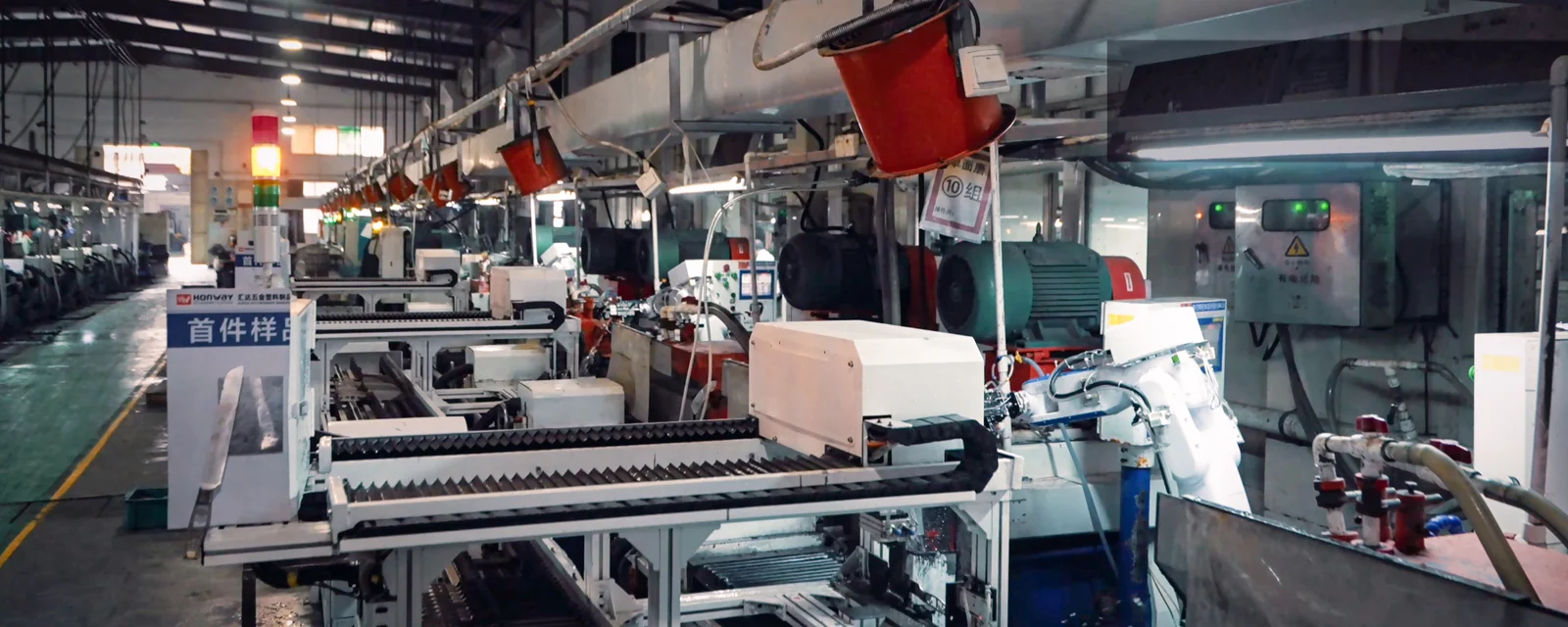
From Brief to Approved Production Sample
The project moves through defined decisions before and during manufacturing. Customers participate at the points where requirements, samples and changes need approval. The exact sequence and deliverables are confirmed for the product.
Project Brief
Share the intended use, market, product references, order quantity and packaging needs. The output is a working brief with open questions identified for customer confirmation.
Design Review
Review blade shape, construction, dimensions and manufacturability. The customer confirms the design direction; the output is a drawing or specification suitable for the next development step.
Material Selection
Review blade and handle materials against the required performance, appearance and cost. Confirm the proposed material specification and any supply conditions before preparing samples.
Sample Production
Prepare the agreed sample configuration and identify its version. The output is a physical reference for customer evaluation, with any non-final features clearly identified.
Sample Validation
Evaluate the sample against the agreed brief and testing criteria. Consolidate customer feedback, resolve changes and record approval of the reference sample and specification.
Production Planning
Confirm materials, tooling, packaging artwork, quantities and inspection arrangements. The output is an agreed production plan, subject to the confirmed commercial and scheduling conditions.
Mass Manufacturing
Follow the applicable manufacturing route and agreed specifications. Monitor relevant checkpoints and raise deviations or proposed changes for review before affected work proceeds.
Final Inspection & Delivery
Check finished products and packing against the order requirements. Confirm release status, agreed documentation and shipment arrangements; inspection and delivery responsibilities should be clear to both parties.
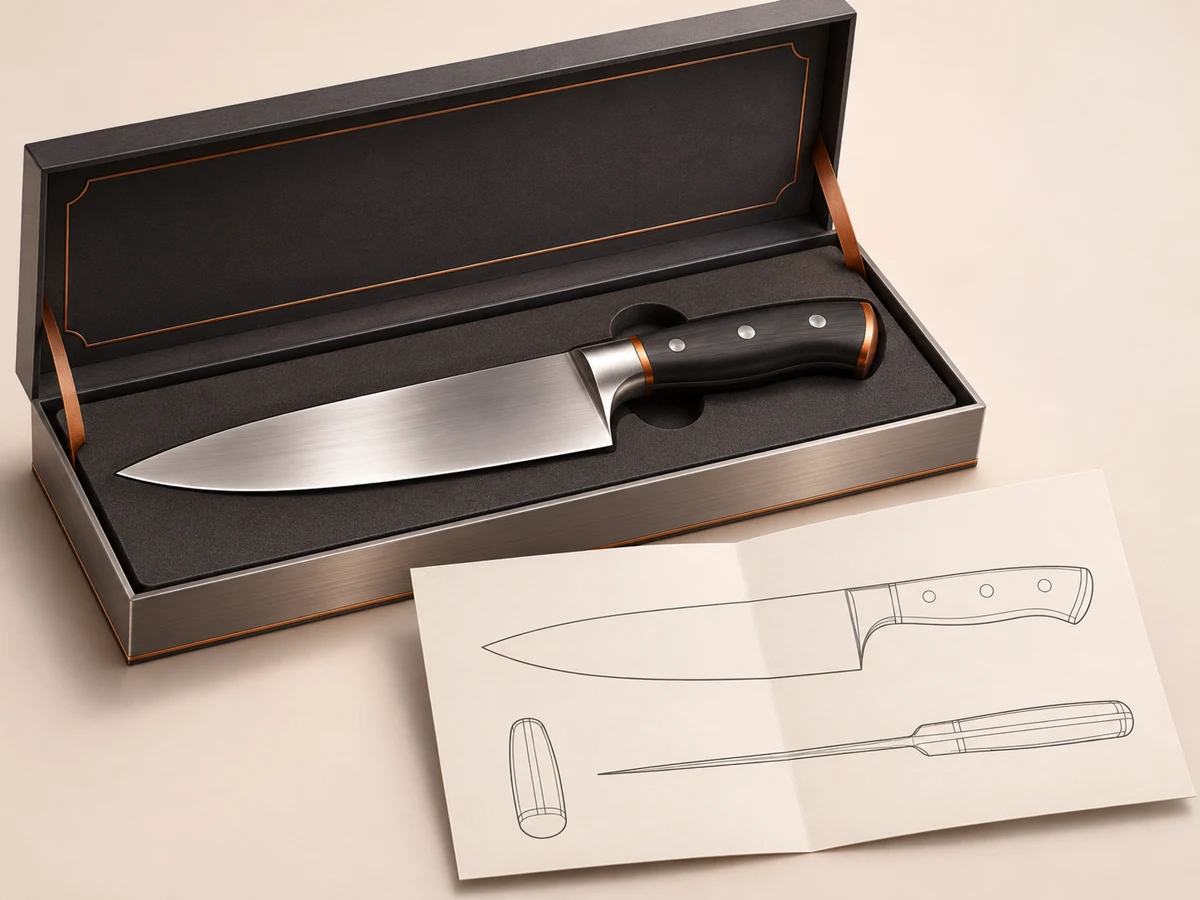
Key Kitchen Knife Manufacturing Stages
Manufacturing routes vary with blade material, construction and product requirements. The stages below describe the functions to review when defining a route; they do not mean that every knife is forged, welded or processed through the same heat treatment cycle.
Material Preparation
Identify the approved blade stock and components. Review material and dimensional requirements before the material enters the applicable manufacturing route.
Blade Forming or Cutting
Create the blade blank through the route appropriate to its construction. The selected method and any forming operations should be confirmed for the product.
Heat Treatment
Process the blade according to the steel and approved requirements. Confirm the applicable route and verification plan rather than assuming a universal cycle.
Grinding & Blade Finishing
Develop the required blade geometry and surface condition. Review dimensions and appearance at appropriate points as material is removed and surfaces are finished.
Edge Sharpening
Prepare the cutting edge to the agreed specification. Evaluate edge condition using the method and acceptance criteria defined for the product.
Handle Assembly
Fit and secure the handle components according to the construction. Review alignment, fit, surface transitions and relevant assembly requirements.
Logo Application
Apply the approved brand artwork using the confirmed method. Check placement, orientation and appearance against the approved reference.
Quality Inspection
Review relevant dimensions, appearance, construction and performance against the agreed requirements. Record and resolve deviations according to the project arrangements.
Packaging
Use the approved product mix, protective components, labels and packing arrangement. Check the correspondence between the product, retail pack and shipping identification.
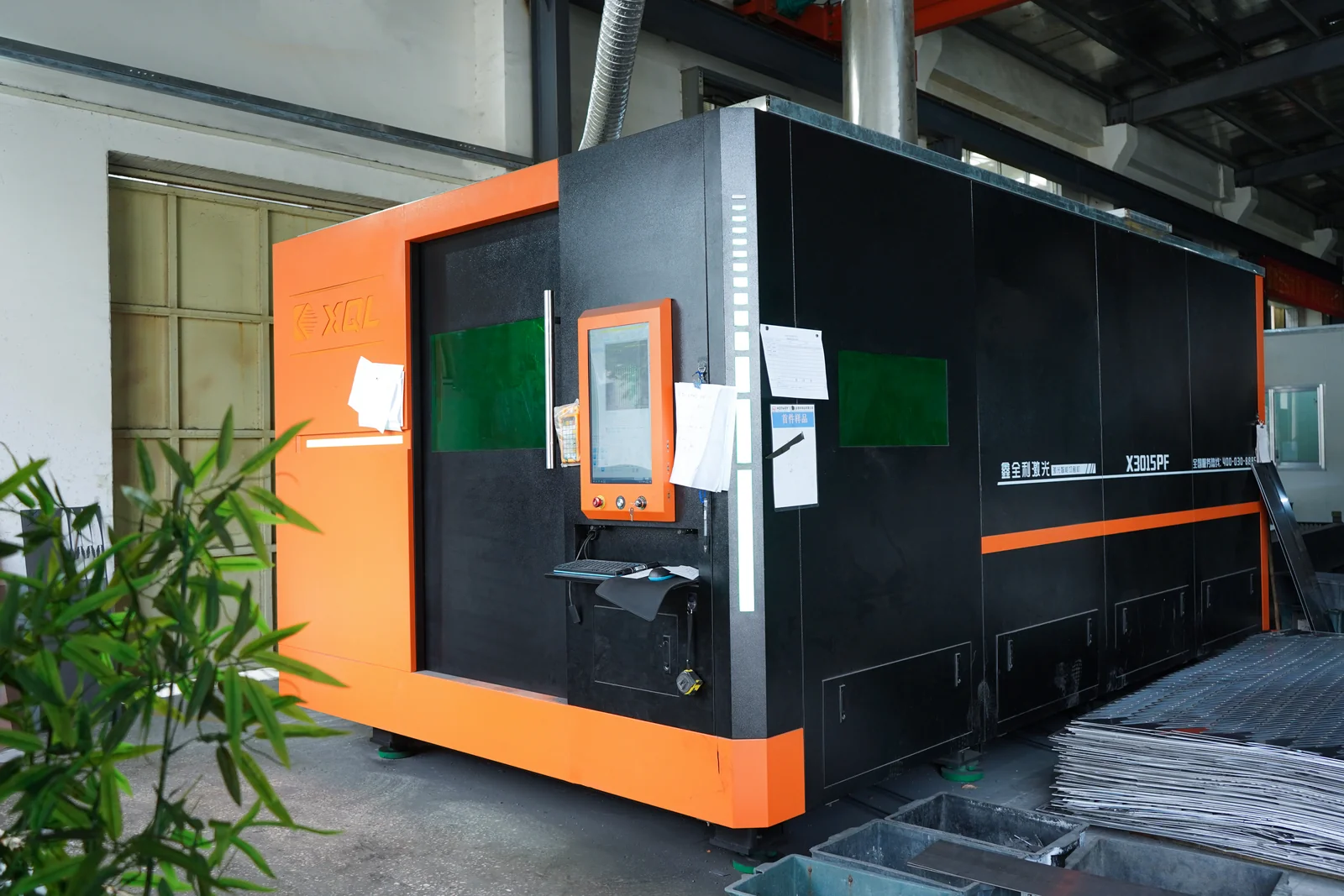


Managing Quality Across Production Stages
Consistent manufacturing depends on clear product specifications, controlled production processes, inspection checkpoints, and communication between production and quality teams. These practices help identify deviations and support corrective action before final delivery.
A deviation should be reviewed where it is found, with affected work identified and the next decision made clear. Inspection results are most useful when linked to a product specification and an agreed acceptance requirement. Buyers can discuss documentation needs before the production plan is finalized.

See the Manufacturing Process
A factory walkthrough can show how equipment, operators and inspection activities contribute to production. Ask our team which operations apply to your proposed product and how its manufacturing route will be confirmed.

Related Capabilities
Frequently Asked Questions
Does every knife follow the same production route?
No. Steel, blade construction, handle design and finish can require different routes. The applicable steps are confirmed for the product; forging, welding or additional treatment is not assumed for every knife.
When does the customer approve the product?
Approval is needed for the agreed sample and specification before production release. Packaging artwork and any later changes also require the approval arrangements defined for the project.
Can you explain the route for our proposed knife?
Share your product brief and reference specifications. HONWAY can review the required stages, identify open decisions and confirm the applicable manufacturing scope during project planning.
What determines the production schedule?
The schedule depends on material availability, design approval, tooling, quantity, packaging and the current production plan. Confirm project milestones in the quotation and order review.
Explore Our Manufacturing Capabilities
Send your proposed product, specifications and order requirements. Our team can review the manufacturing route and the approvals needed before production.