
Kitchen Knife Testing & Quality Validation Laboratory
Quality Claims Supported by Measurable Evidence
Quality claims should be supported by measurable evidence. HONWAY applies relevant material, hardness, sharpness, corrosion, and product-specific performance testing to support engineering decisions and manufacturing quality control.
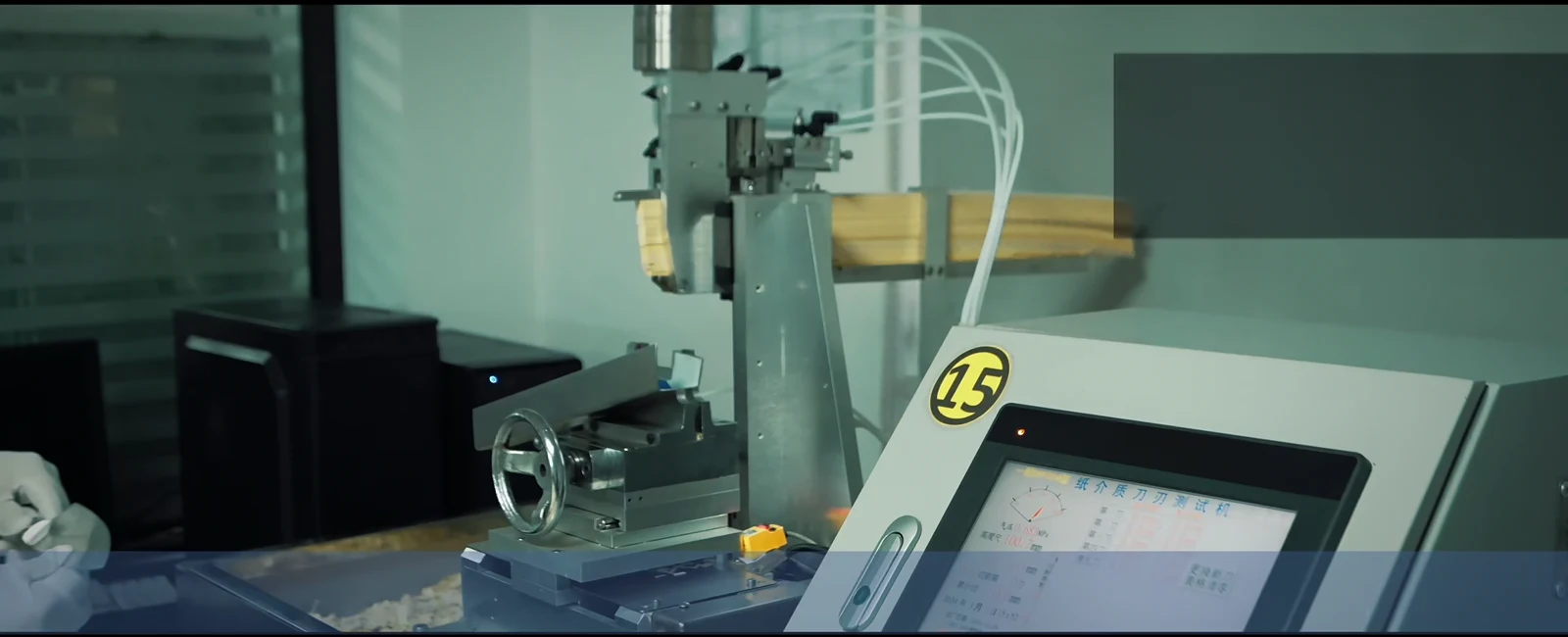
Testing for Product Performance & Manufacturing Quality
Different product designs require different verification methods. Appropriate laboratory and product testing helps evaluate whether knife specifications and performance requirements are being achieved.
Begin by identifying the question a test must answer. Development checks may compare proposed designs, while production checks assess an agreed specification. Confirm the test method, sample condition, acceptance criteria, reporting scope and provider before treating results as evidence for a claim.
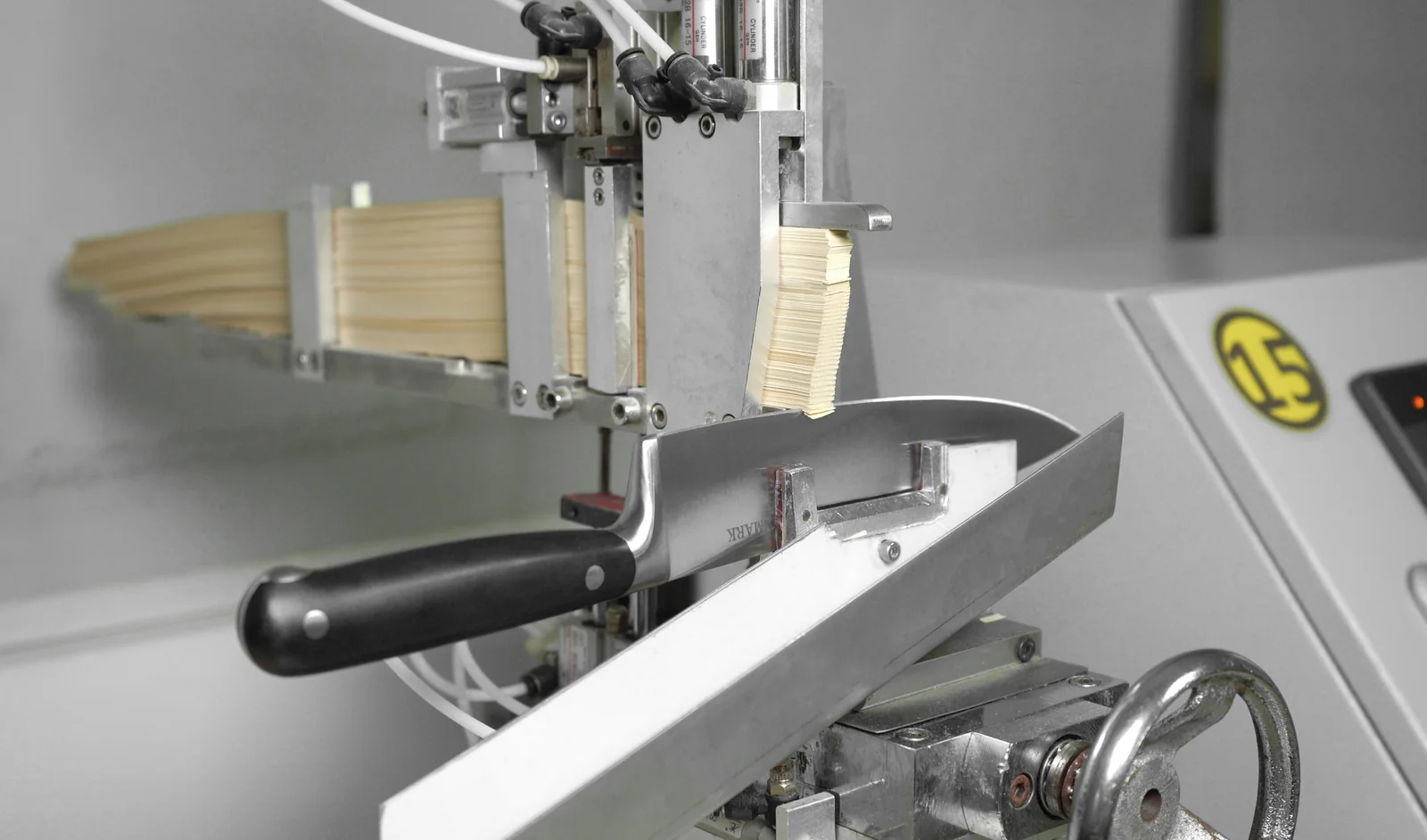
Sharpness & Edge Retention Testing
Sharpness evaluation helps assess the cutting condition of a blade, while edge retention testing examines performance under defined repeated cutting conditions. Test results should be interpreted according to the equipment, method, and product being evaluated.
Initial cutting performance and performance after repeated cutting are different questions. Record the test setup, sample condition and evaluation basis so results can be interpreted correctly. Comparisons between products require comparable methods and conditions; an isolated number should not be used to promise a universal improvement in service life.
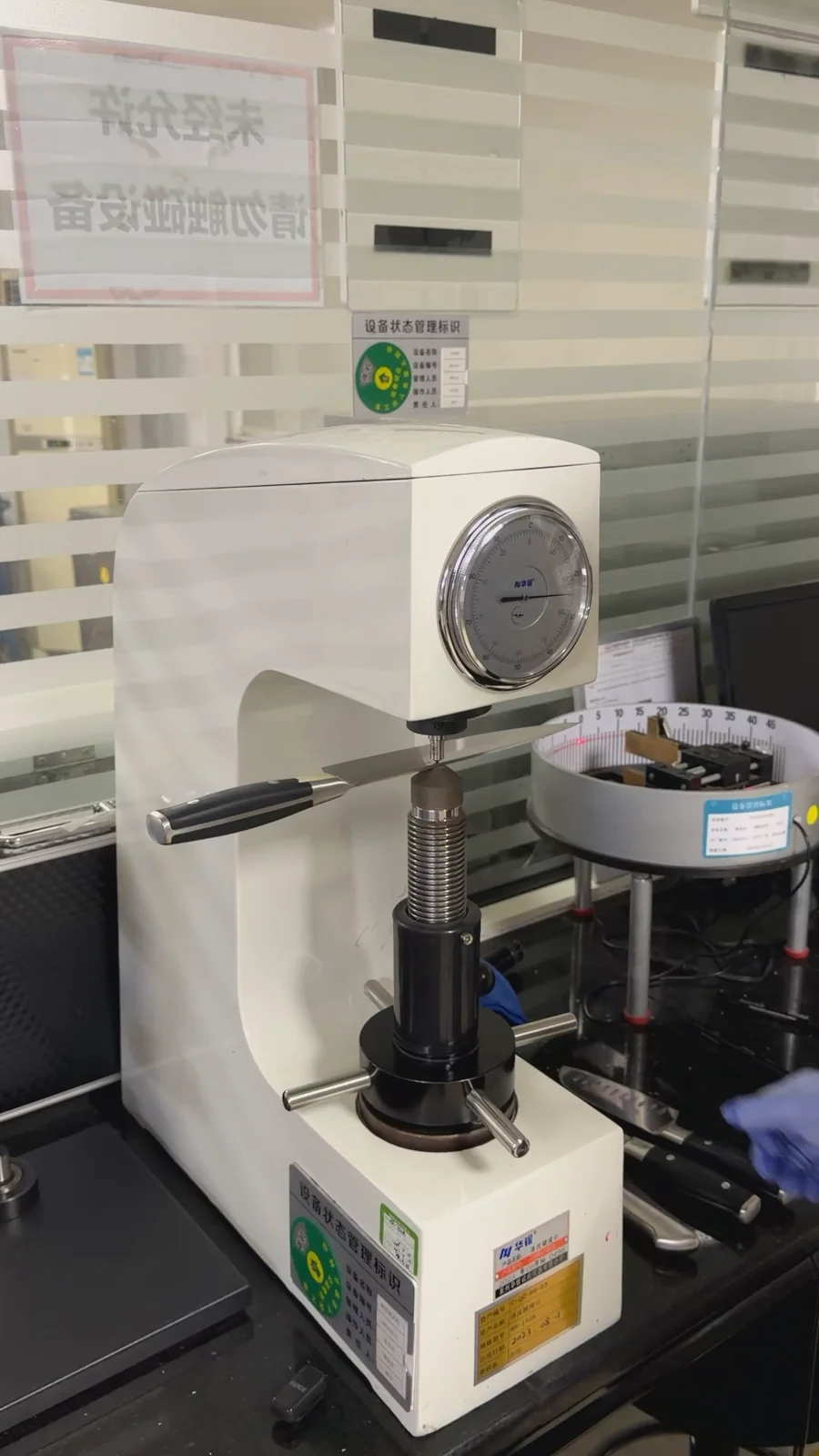
Hardness Verification
Hardness testing provides information about whether heat-treated blade materials meet specified requirements. Results can support process verification and product quality assessment.
The test method and sample preparation need to suit the blade. Results should identify the relevant specification and be reviewed in context, including the steel and intended application. Hardness alone does not establish cutting performance or the suitability of the complete knife.
Corrosion Resistance Evaluation
Corrosion-related testing can help evaluate material and finishing performance under defined test conditions. Results should be assessed with reference to the relevant method and should not be presented as a direct prediction of real-world product lifespan.
Agree on the method, conditions, evaluation criteria and reporting requirements before a corrosion test is commissioned. A result can support an assessment under those conditions. It should not be converted directly into a claim about years of use or the absence of corrosion in every environment.

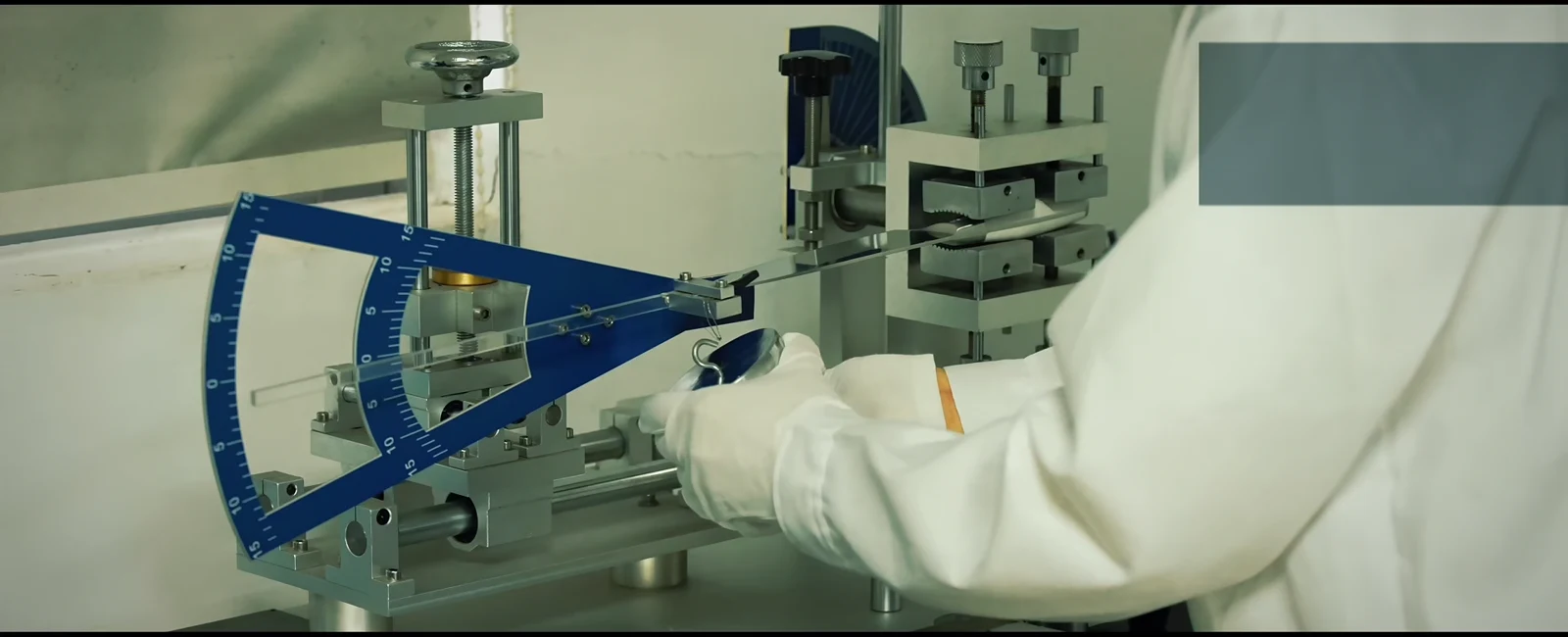
Mechanical & Durability Verification
Product-specific mechanical checks can help evaluate structural integrity, handle assembly, and other relevant durability requirements. The applicable methods depend on product construction and intended use.
Define the concern to be evaluated, such as assembly security or structural behavior, then agree on a suitable check. Product construction determines which methods are relevant. Testing that stresses a sample may require separate samples and should be planned before the inspection or development schedule is finalized.
Test Records & Quality Documentation
Testing records can help support specification reviews, manufacturing decisions, and quality investigations. Documentation requirements should be agreed according to the product and project.
Useful records identify the sample, method, conditions, result and applicable acceptance criteria. Confirm whether a check is conducted internally, by a partner or by an independent third party. The agreed reporting scope should make that distinction clear and should identify any limitations on how the result may be used.

Related Capabilities
Frequently Asked Questions
How is kitchen knife sharpness tested?
Sharpness is evaluated using a defined method appropriate to the product and purpose. Confirm the equipment, sample condition and acceptance criteria before interpreting the result. The specific method available for your project must be confirmed.
What is edge retention testing?
Edge retention testing examines cutting performance after defined repeated cutting conditions. Results depend on the method and test conditions and should not be translated automatically into a fixed period of everyday use.
How is blade hardness verified?
Hardness is measured using an appropriate method and sample preparation, then compared with the specified requirements. Confirm the applicable scale, sampling and reporting arrangements for the blade being evaluated.
What can salt spray testing tell us?
Salt spray testing can provide evidence about corrosion behavior under defined test conditions. It does not directly predict product lifespan in ordinary use. The method and acceptance criteria must be agreed for the project.
Can customers request specific testing requirements?
Yes. Share the test method, acceptance criteria, target market and report requirements during quotation. HONWAY can review feasibility and confirm the provider, sample needs, cost and timing arrangements.
Are test reports available for OEM projects?
Report availability and format depend on the agreed testing scope and provider. Confirm documentation requirements before testing or production begins, including whether an internal record or third-party report is required.
Discuss Testing Requirements for Your Knife Project
Share the characteristics you need to verify, the test methods and your reporting expectations. Our team can review the applicable testing scope and provider arrangements.