
OEM/ODM Kitchen Knife Project Management
One Coordinated Process. From Product Brief to Shipment.
Successful OEM and promotional programs require coordination across product specifications, sampling, production planning, packaging, quality requirements, and delivery schedules. HONWAY works with customers to review project needs and coordinate the steps required for manufacturing.

A Structured Approach to OEM/ODM Projects
A retail or promotional program needs a shared view of products, quantities, approvals and dates. The following stages organize the decisions that connect the initial brief to shipment and follow-up.
Requirement Review
Define the campaign or retail program, destination markets, SKU list, quantities and desired shipment date. Identify packaging, labeling and inspection requirements that apply to each item.
Feasibility & Quotation
Review the product mix, materials, packaging and scheduling assumptions. Confirm the quoted scope and unresolved decisions so the customer can assess cost and timing on a consistent basis.
Sampling & Approval
Agree which samples and packaging proofs are required. Record approval by SKU and version, including artwork and any conditions that must be resolved before production.
Production Planning
Align material and packaging readiness with the order quantities and approved specifications. Confirm the applicable milestones and responsibilities for customer inputs.
Production Monitoring
Review progress against agreed milestones and communicate exceptions that need a decision. Proposed specification or scheduling changes should be assessed before they affect the program.
Quality Inspection
Apply the agreed product and packaging checks. Confirm any customer inspection arrangements and the information required to make the release decision.
Packaging & Shipment
Check product-to-pack matching, labels, quantities and packing specifications. Coordinate shipment readiness and agreed documents with the confirmed delivery arrangements.
Post-Delivery Feedback
Collect feedback with clear product and order references. Review issues or requested improvements before using the program as the basis for a repeat order.
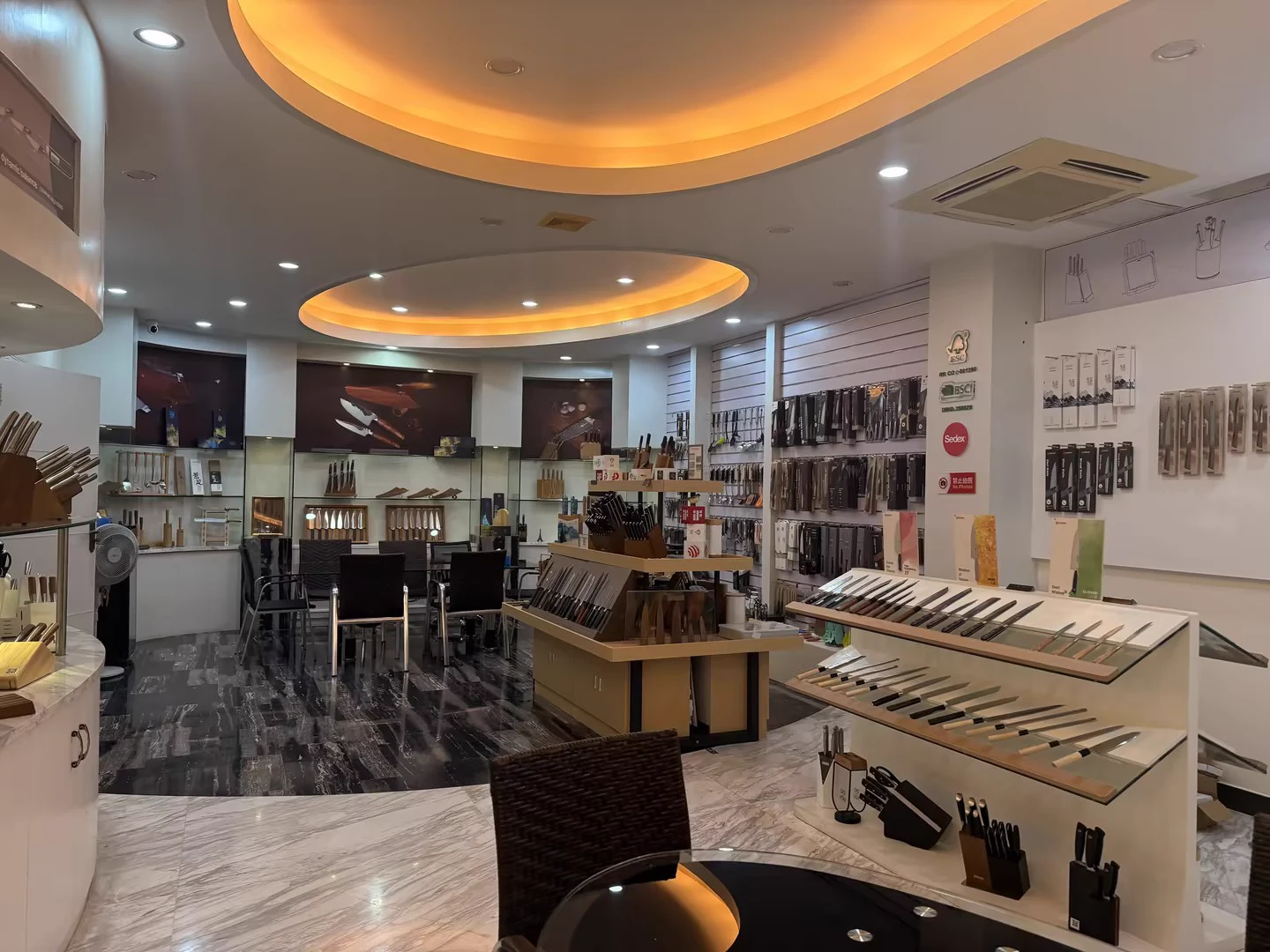
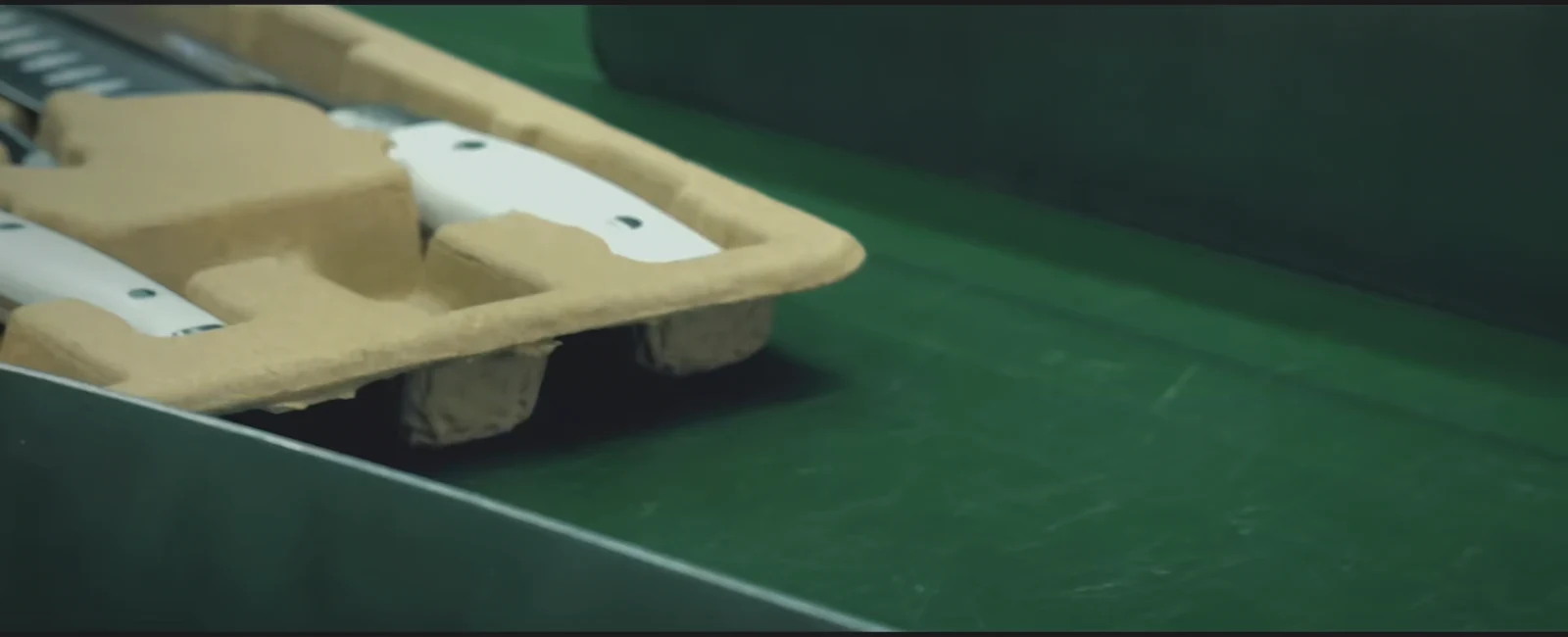
Support for Retail & Promotional Knife Programs
Retail and promotional programs may involve multiple product variations, branded packaging, seasonal schedules, and coordinated order quantities. Clear specifications and production planning help align the finished products with customer requirements.
Work backward from the required shipment date to identify when specifications, samples and artwork must be approved. If the program includes different channels or destination markets, identify the differences early. Delivery commitments should be based on a reviewed production plan and the agreed scope.
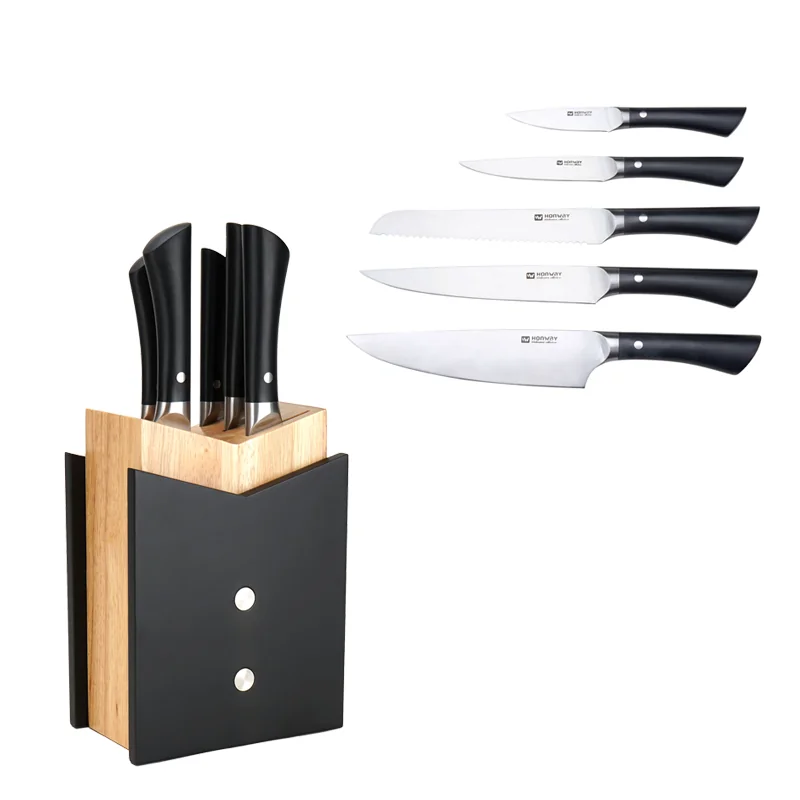
Managing Multi-Product Programs
A product matrix helps keep blade types, set configurations, logo versions and packaging versions aligned. Give each SKU a clear identity and link it to its approved sample and packing arrangement. If one item changes, review whether the change affects another component, set or shared packaging element.
| Product | Branding | Packaging | Approval |
|---|---|---|---|
| SKU and knife specification | Artwork revision | Pack specification | Approved reference sample |
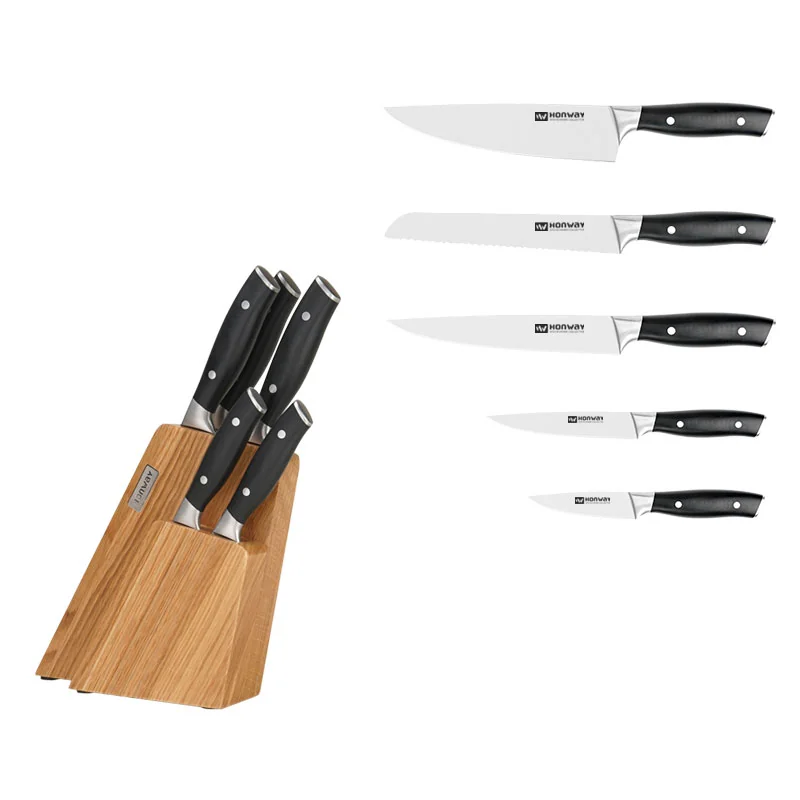
Private-Label Packaging Coordination
Review retail boxes, gift packaging, product labels, brand artwork, barcodes and shipping packs as part of one program. Customers should supply the approved text and identifier data. The available packaging scope and any proofing or verification steps must be confirmed before production.
Artwork & Labels
Confirm the language, logo version, product description and customer-supplied barcode data for each SKU. Approve the final artwork reference before release.
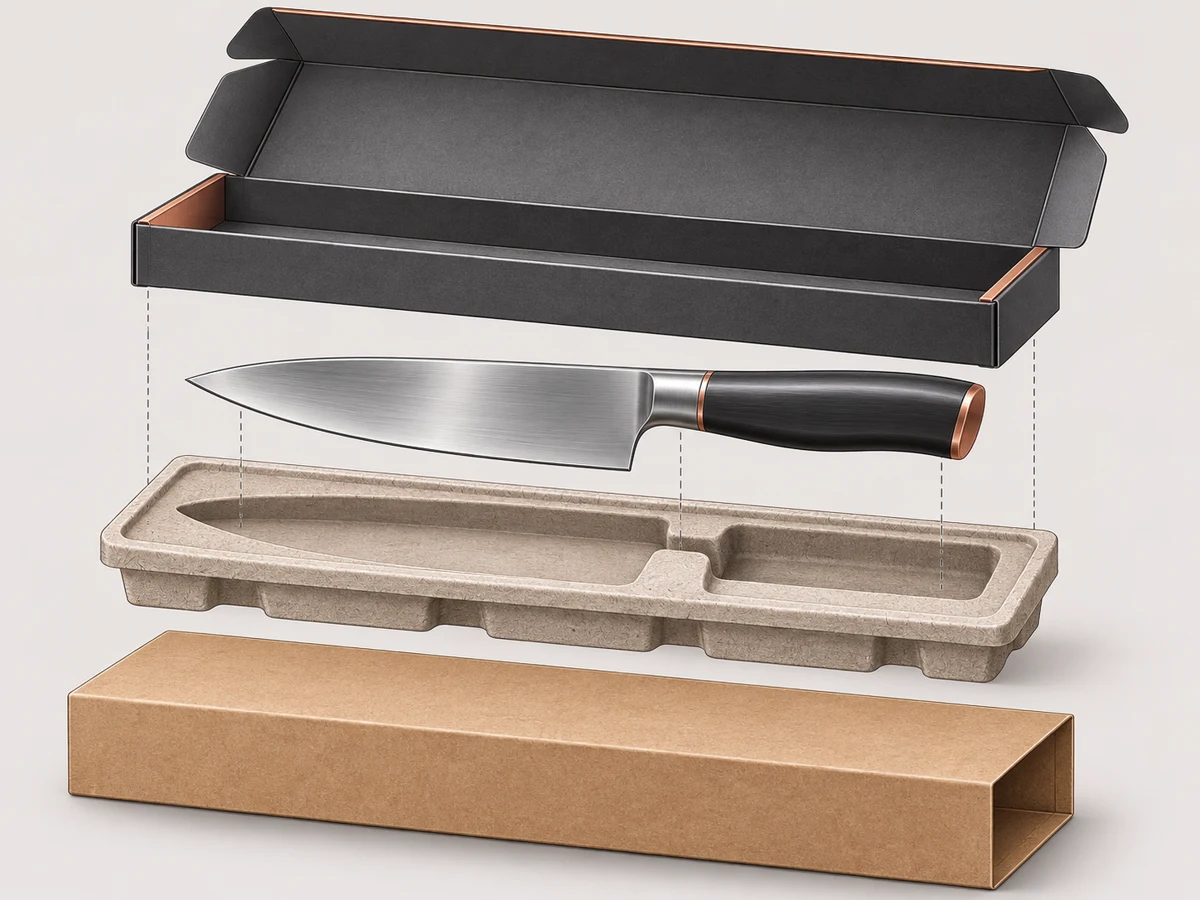
Product Protection & Packing
Confirm the protective components, set arrangement and carton requirements. The packing specification should match the physical product and the agreed handling requirements.
Specification Approval & Change Control
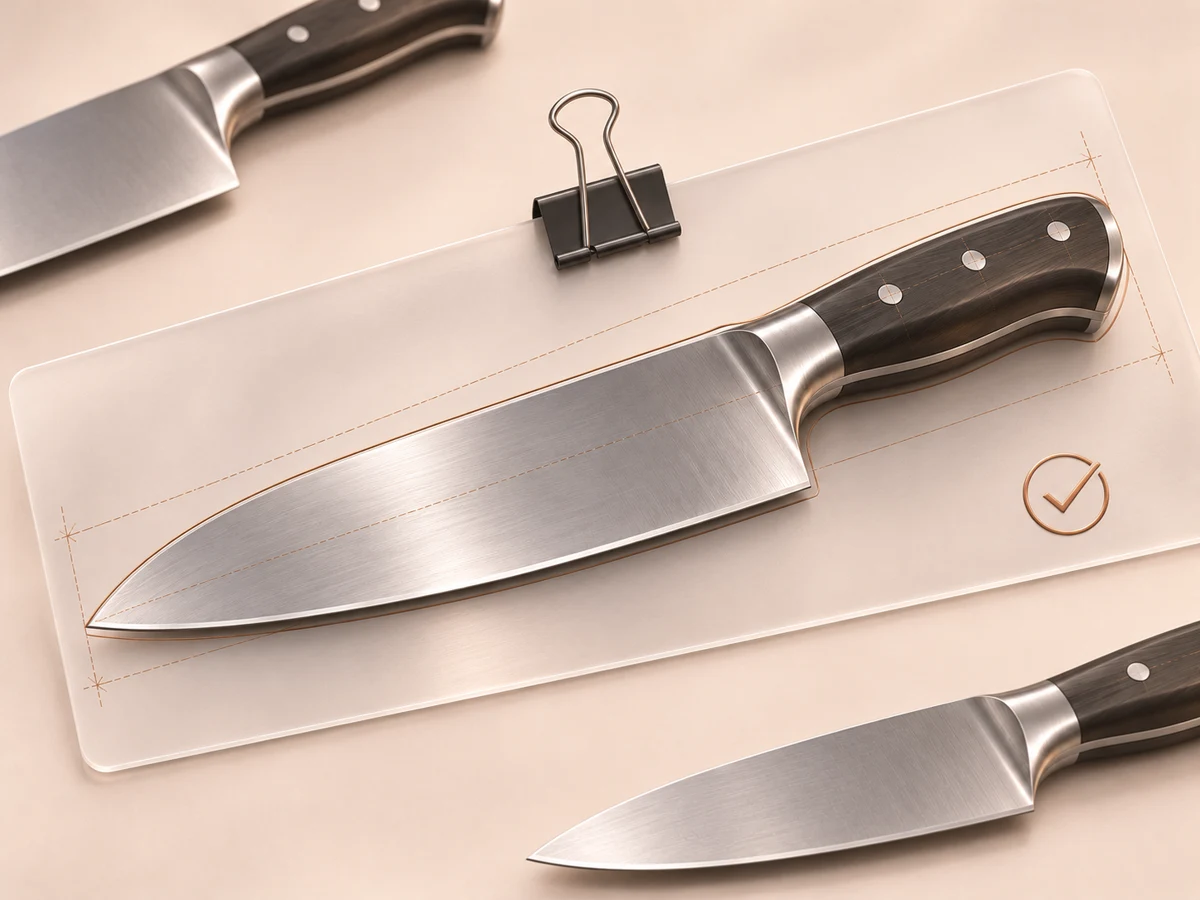
Clear approval procedures help reduce misunderstandings during OEM/ODM projects. Changes to materials, dimensions, branding, packaging, or delivery requirements should be reviewed and confirmed before implementation.
A change request should identify the affected SKU, current version, proposed revision and required date. Review its effect on materials, work already in progress, packaging, cost and schedule. Written confirmation helps prevent an old artwork file or specification from being used after a revision.

Related Capabilities
Frequently Asked Questions
Can HONWAY support multi-SKU orders?
Multi-SKU requirements can be reviewed as a coordinated program. Provide an item list with quantities, set contents, logo and packaging versions. The feasible scope, production plan and commercial terms will be confirmed for the order.
Can you coordinate customized retail packaging?
Customized packaging can be reviewed with the project brief. Send box requirements, artwork, label content, barcode data and packing specifications. The available supply and verification arrangements require project confirmation.
What information is needed before quotation?
Provide the product or SKU list, references, quantities, target markets, packaging requirements and desired shipment date. Include inspection criteria and approval deadlines if they are already defined.
How are changes handled after sample approval?
Identify the affected specification and request a change review. The impact on cost, materials, tooling, packaging and schedule must be assessed. Implement the revised version only after the applicable approval is recorded.
How are customer-specific requirements communicated?
Use an agreed specification and SKU matrix to record the requirements. Consolidated feedback and clear approval references help the relevant teams work from the same information throughout the program.
Plan Your Next OEM or Promotional Knife Program
Send your SKU list, order quantities, packaging brief and target shipment date. Our team can review the program scope and the approvals needed to plan production.