
Quality Control for Consistent Kitchen Knife Manufacturing
Consistency Matters Beyond a Perfect Sample
Quality is not defined by a single perfect sample. It is demonstrated through consistent results across production batches. HONWAY emphasizes process control, inspection, and continuous improvement to help manufacturing partners maintain dependable product quality.
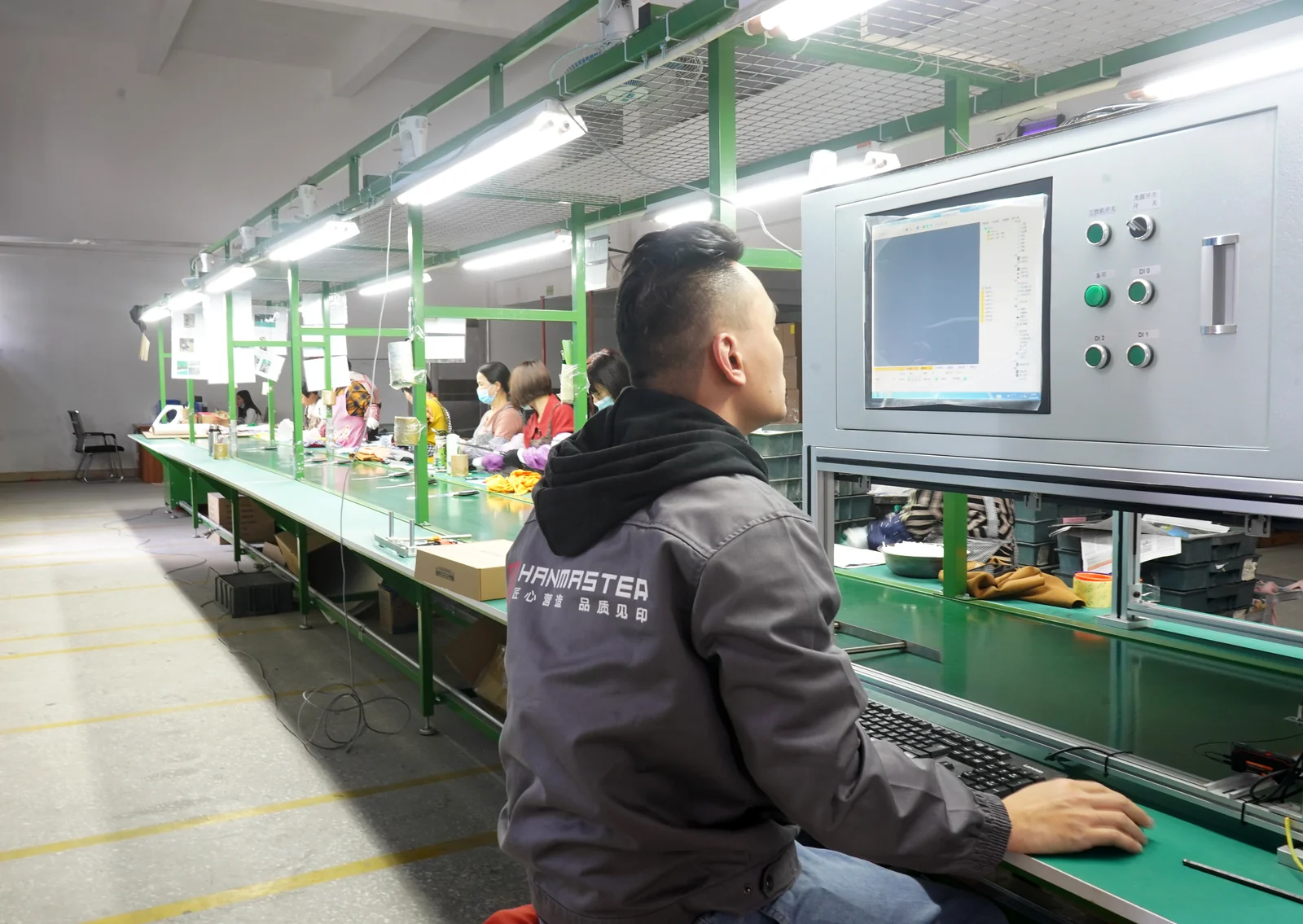
Quality Built into the Manufacturing Process
Effective quality management begins with clear specifications and continues throughout material preparation, production, assembly, final inspection, and delivery. Identifying issues early helps reduce the risk of defects reaching finished orders.
Buyers and manufacturers need a shared definition of acceptable quality. Dimensions, appearance, construction, performance and packaging should be expressed in requirements that can be reviewed. Clear approval and inspection arrangements make it easier to identify a deviation and decide what action is needed.
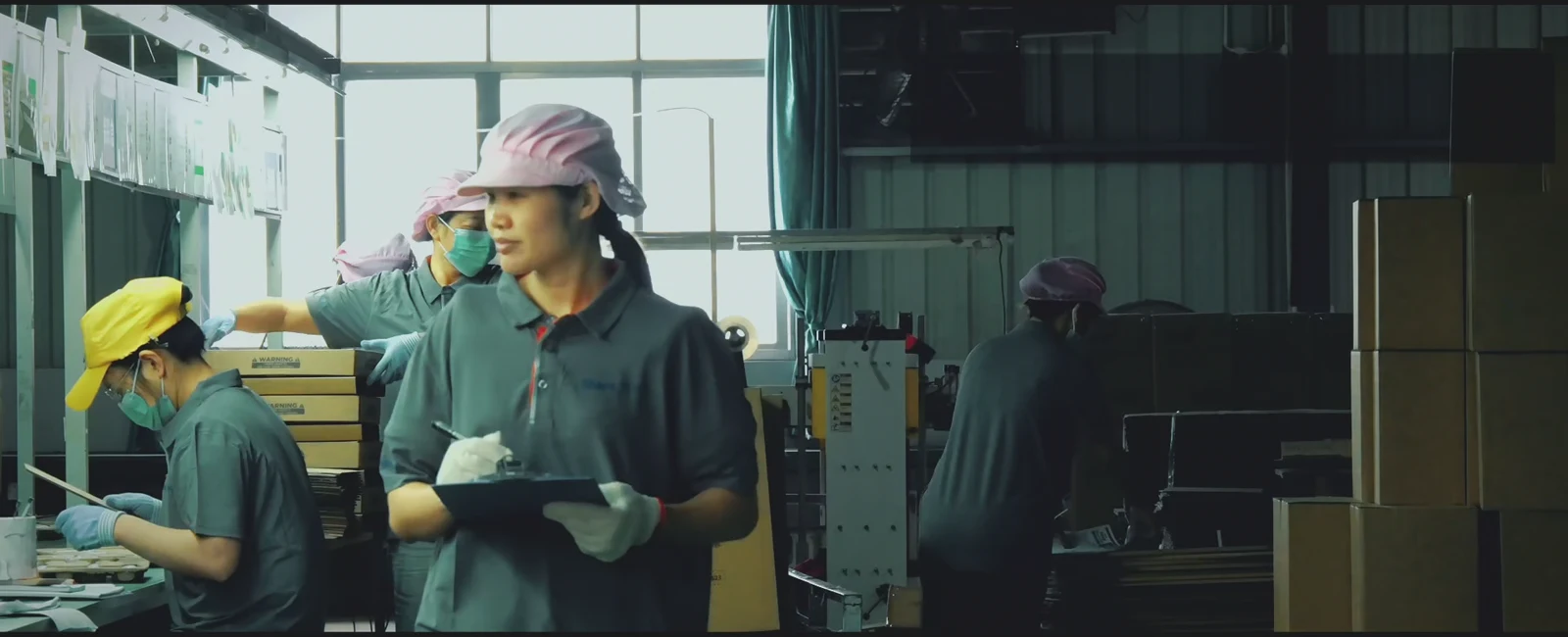
Quality Control Across Production
A project quality plan should define what is checked at each stage, who reviews the result and how an issue is handled. The following framework can be used to discuss inspection coverage. The applicable stages and records are confirmed for the product and order.
IQC — Incoming Quality Control
Review materials and components against the agreed purchase requirements. Relevant checks can include identification, dimensions, component condition and the available supplier documents before release for production.
IPQC — In-Process Quality Control
Review relevant process settings, dimensions, intermediate quality and assembly condition at agreed checkpoints. Identify deviations while the affected work can still be assessed and controlled.
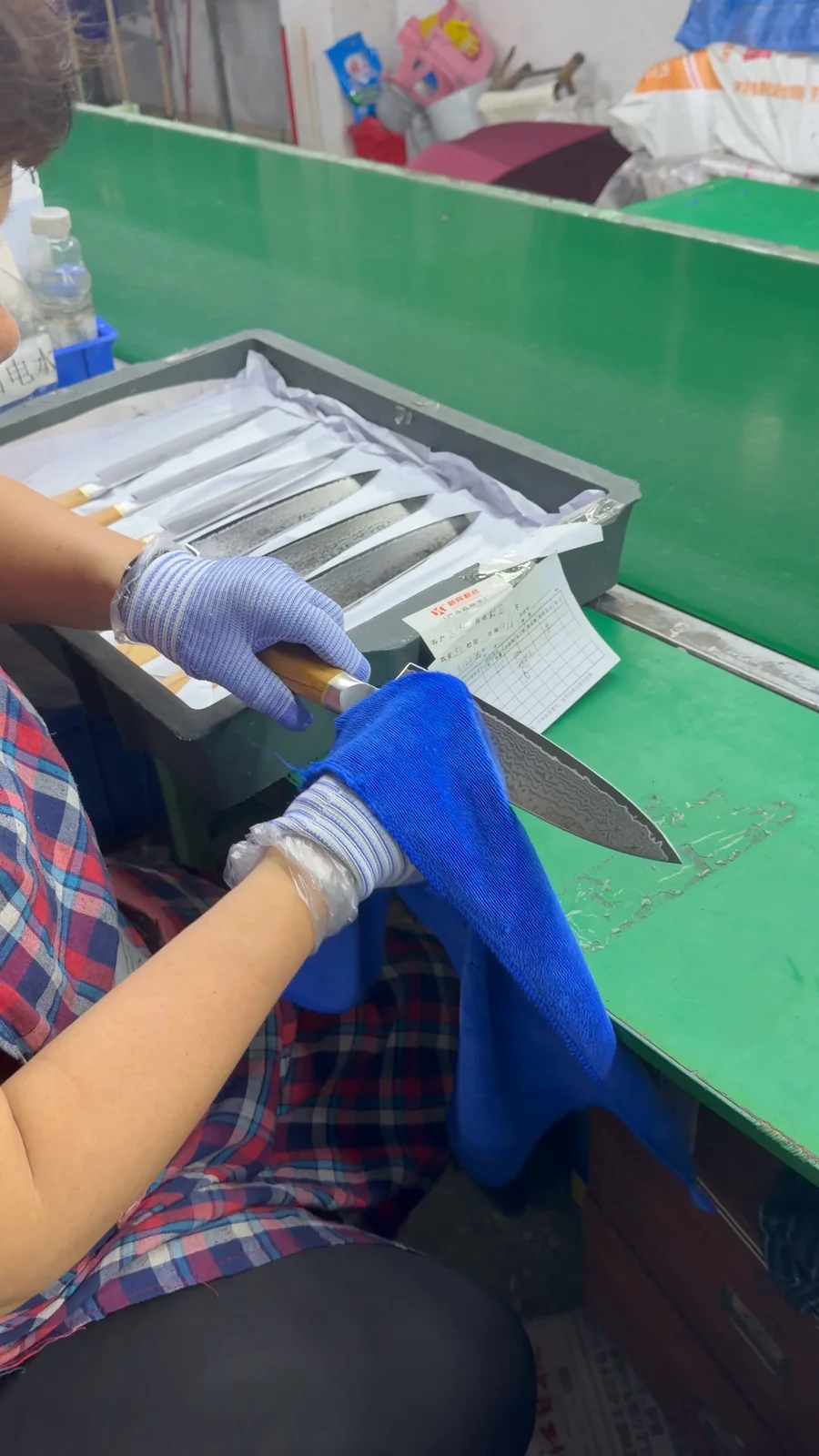
FQC — Final Quality Control
Evaluate finished appearance, specifications, function, edge condition and packaging against the agreed criteria. The check scope and acceptance requirements should be defined for the product.
OQC — Outgoing Quality Control
Review shipment readiness, including products, packing, labels, quantities and customer acceptance arrangements. Confirm that any outstanding issue affecting release has been resolved or agreed.
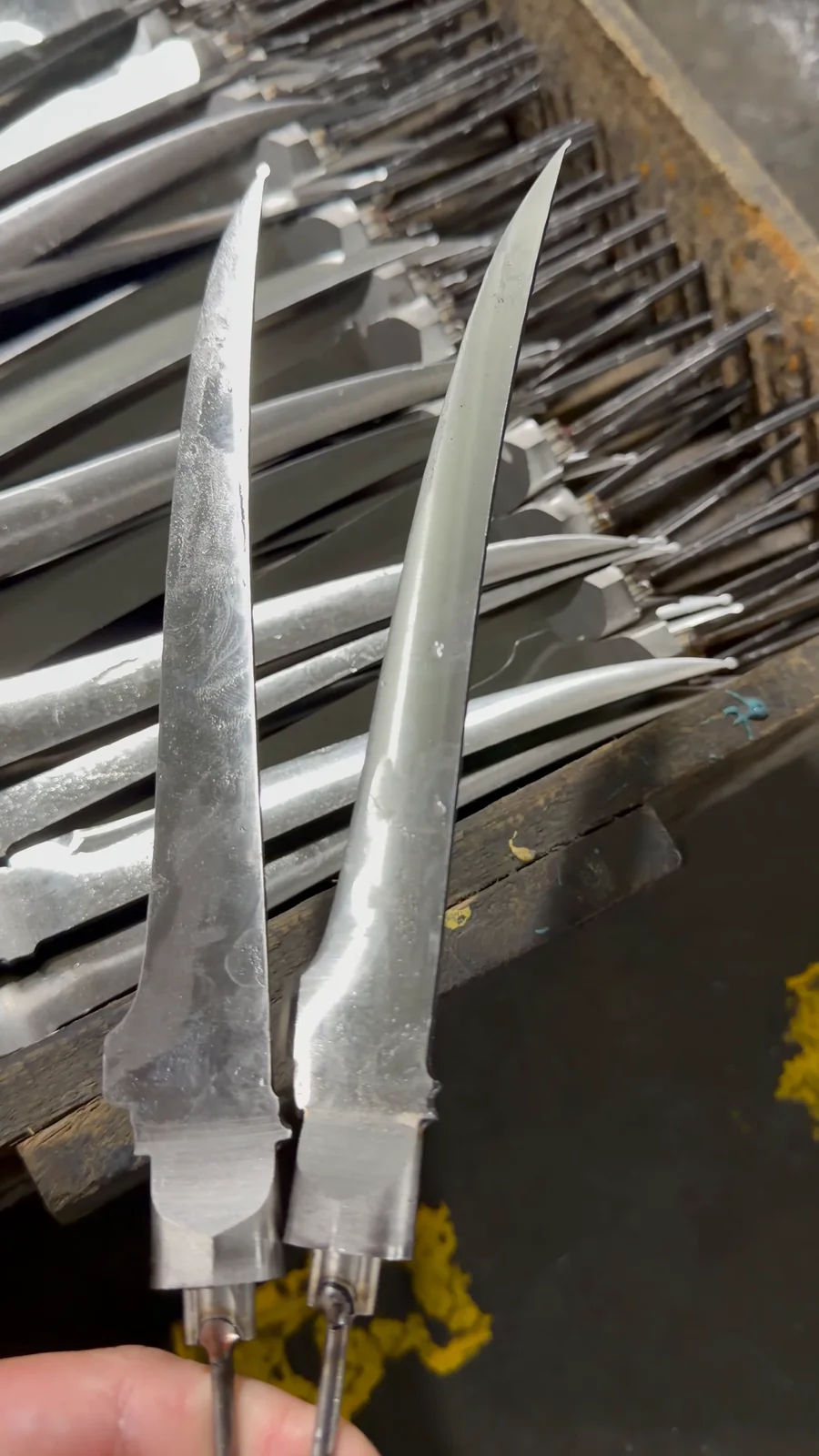
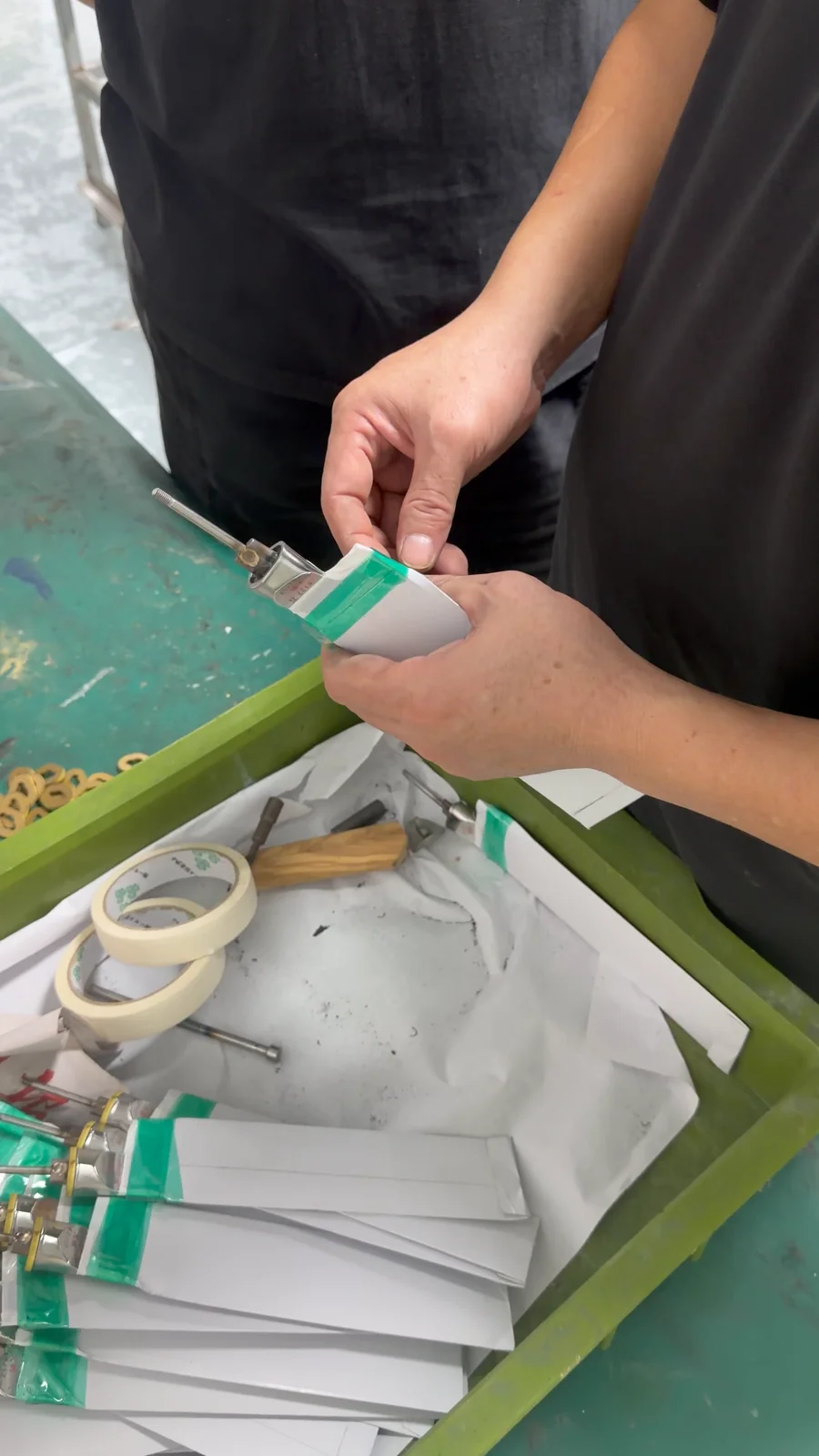
Critical-to-Quality Parameters
The most important checks should reflect how the product is specified and used. Agree on the relevant characteristics and acceptance criteria before production rather than relying on a general statement that the knife is high quality.
Blade Dimensions
Review the dimensions identified in the approved drawing using an appropriate measurement method.
Blade Geometry
Compare the blade profile and relevant geometry with the agreed specification and reference.
Hardness
Assess results against the specified material and hardness requirements using the agreed method.
Edge Quality
Review edge condition and the applicable cutting evaluation criteria for the product.
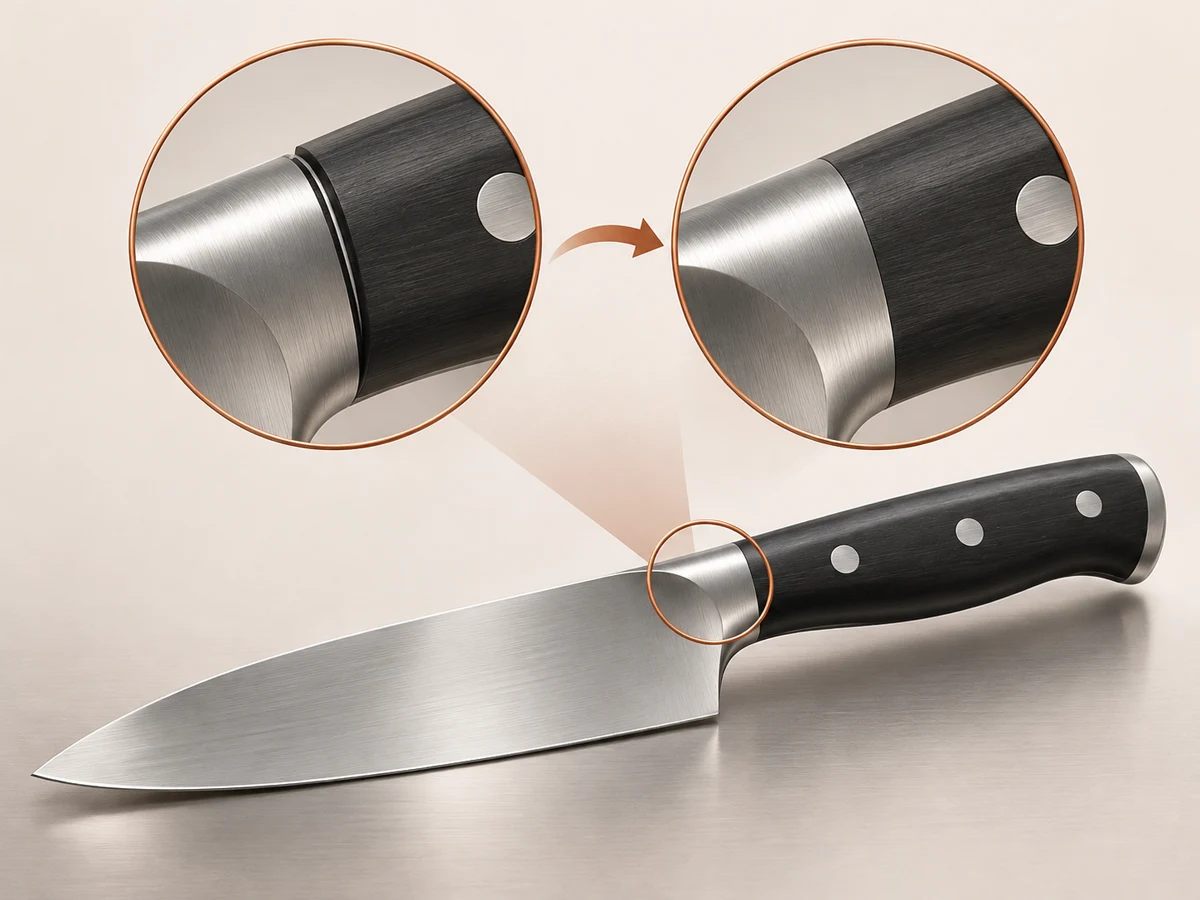
Handle Assembly
Check alignment, fit, surface transitions and the relevant assembly requirements.
Surface Finish
Compare finish and appearance with the approved reference and agreed acceptable variation.
Logo Quality
Check artwork version, placement, orientation and appearance against the approved branding reference.
Packaging Accuracy
Verify product-to-pack matching, labels, quantities and the approved packing arrangement.
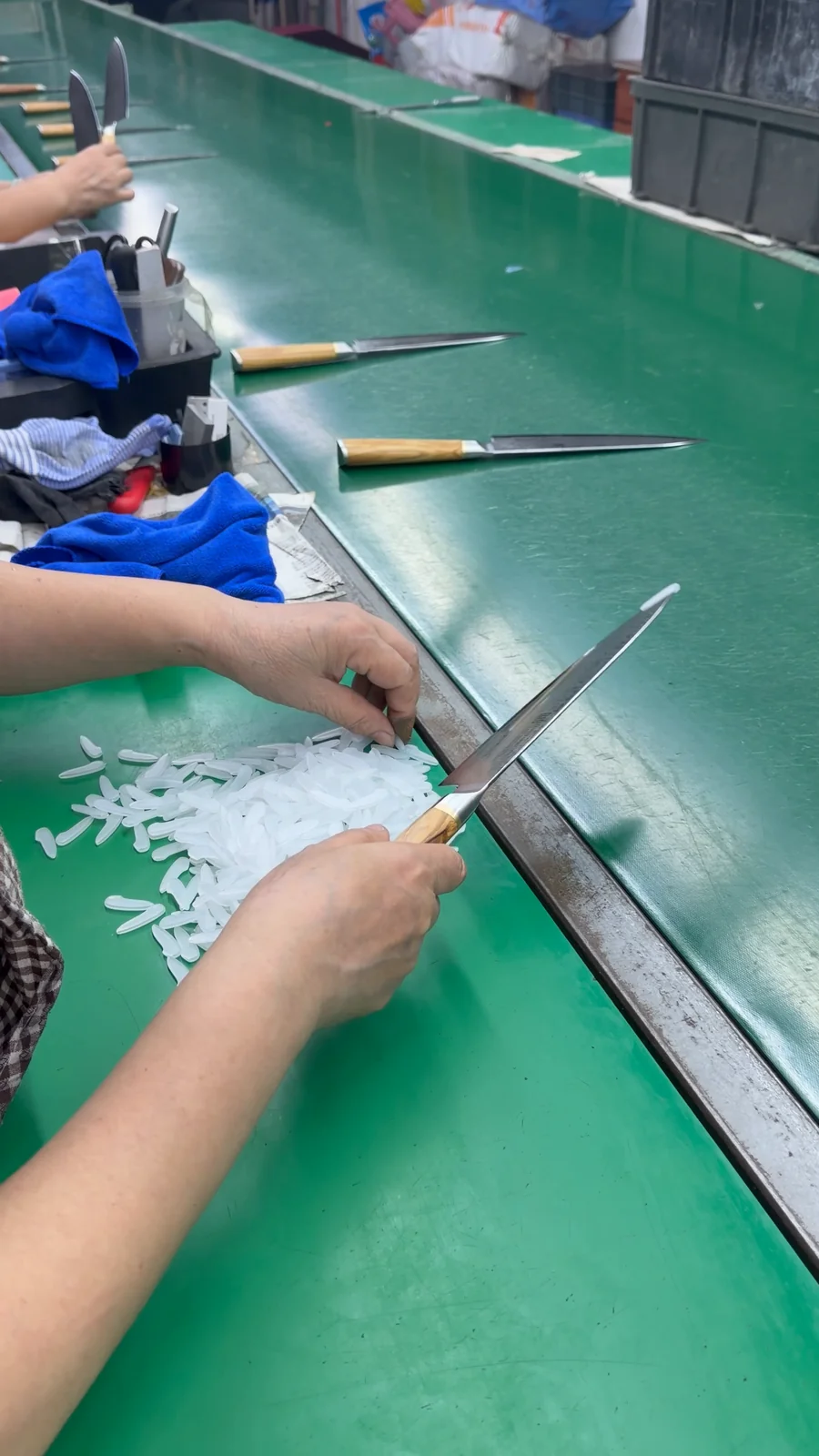
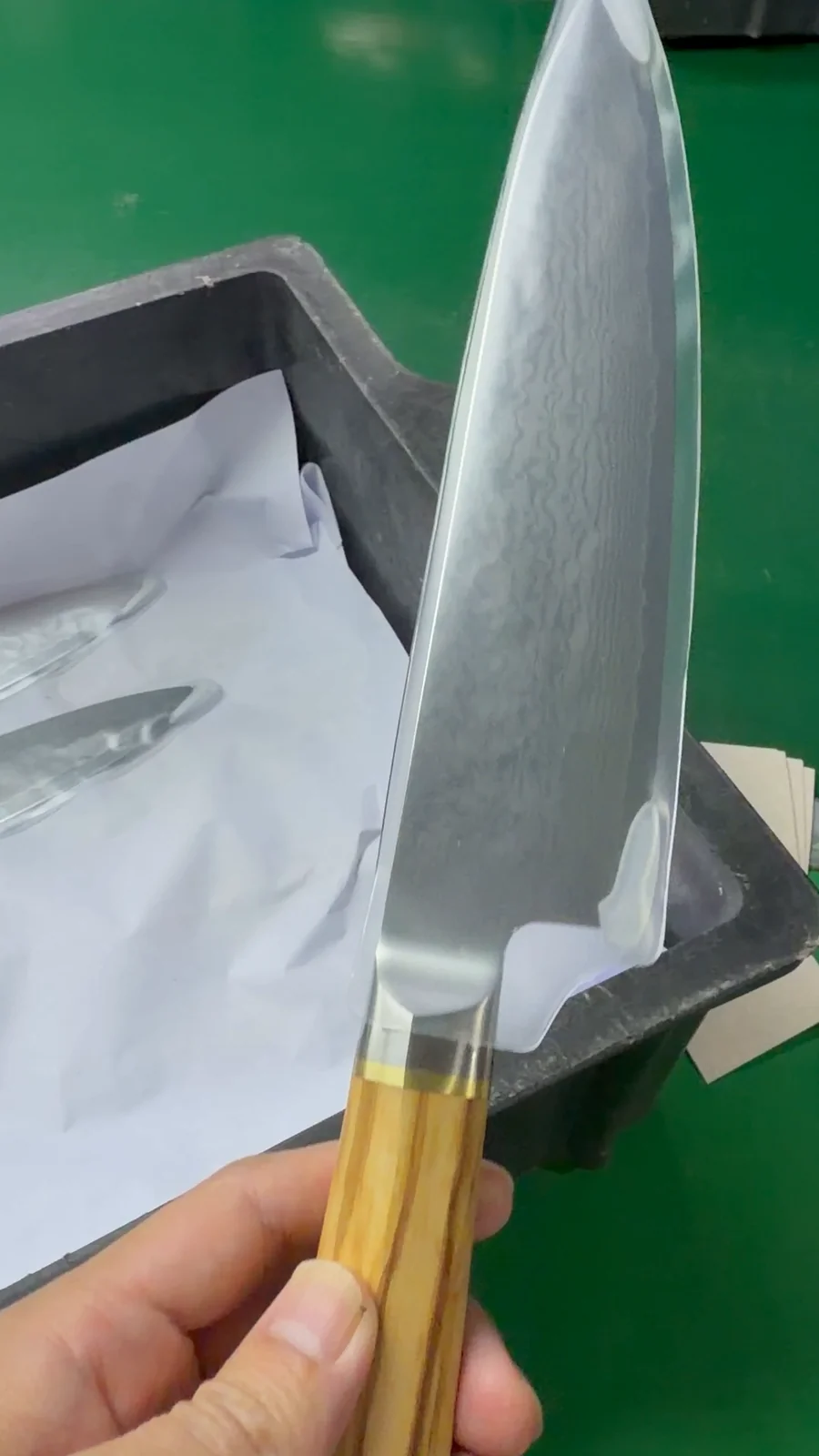
Maintaining Quality Across Production Batches
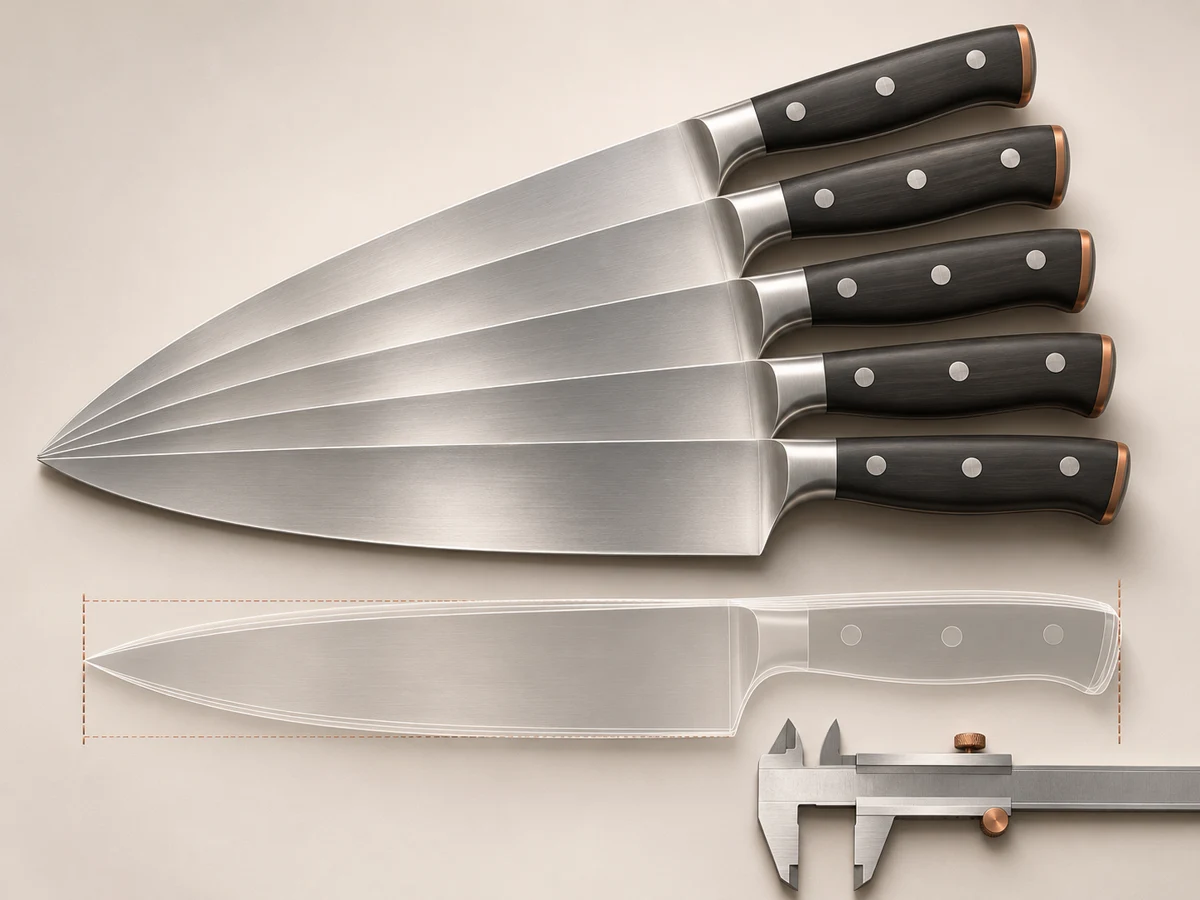
Maintaining consistency requires approved product specifications, defined manufacturing processes, appropriate inspections, and documented responses to quality issues. These measures help support repeatable results as production continues.
For a repeat order, use the current approved specification and identify any changes from the previous production reference. Review relevant inspection findings and unresolved issues before the next release. A consistent evaluation basis is more useful than comparing batches against different or undocumented expectations.
Production Records & Traceability
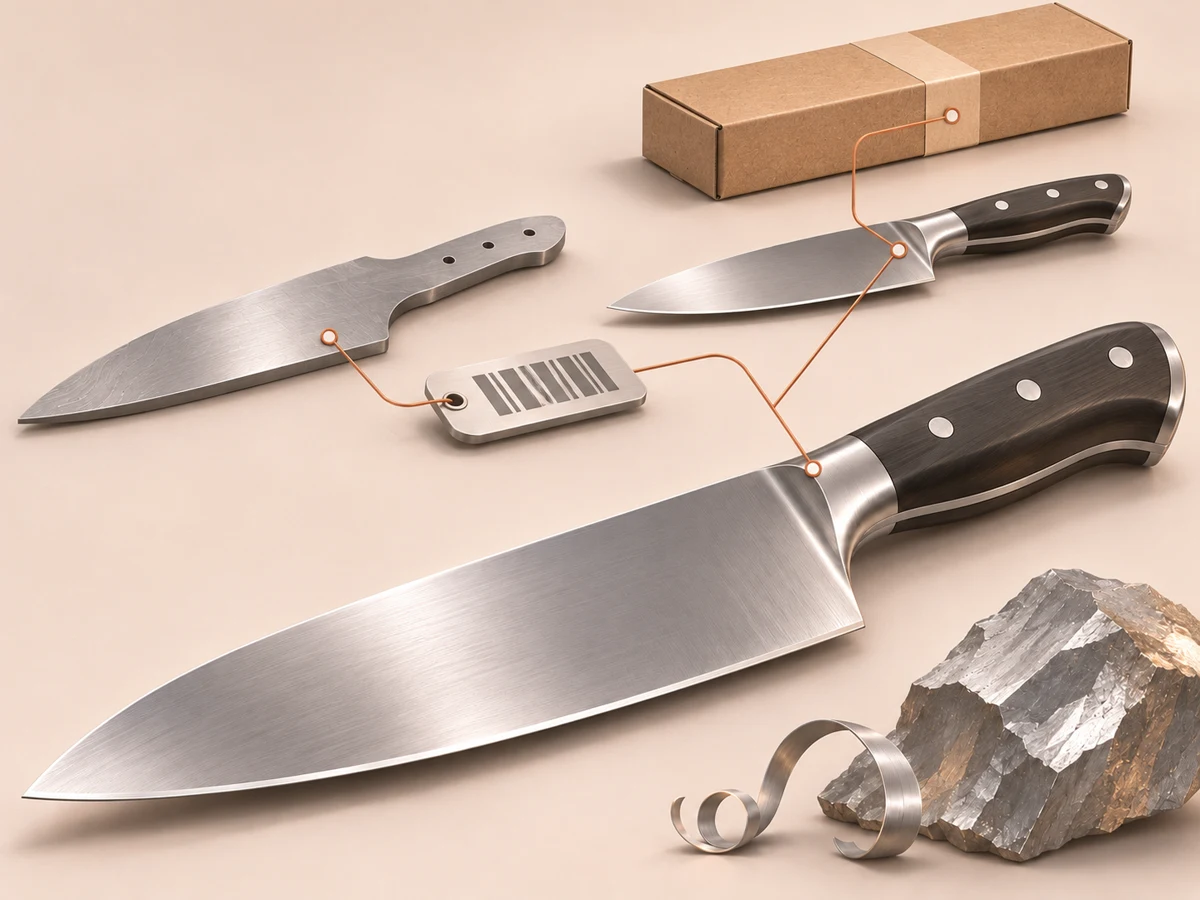
Where supported by the applicable production system, material identification, inspection records, and manufacturing documentation can assist quality reviews and issue investigation. The available level of traceability should be confirmed for each product or order type.
Before placing an order, discuss which references are retained and how they relate to materials, production and inspection. Traceability may differ by product or process. Confirm the available record scope and retrieval arrangements rather than assuming that every component can be traced through every stage.
Corrective Action & Continuous Improvement
When nonconformities are identified, effective quality management involves containing affected products, investigating causes, reviewing corrective actions, and checking whether improvements are effective.
An issue report should identify the affected product, order and observed condition. Agree on the containment and review steps before deciding on disposition. Any corrective action should address the identified cause, with follow-up appropriate to the issue and the agreed responsibilities.
Supporting Customer-Specific Inspection Standards
Different customers and markets may require different inspection criteria, documentation, and acceptance procedures. HONWAY can review project-specific requirements during quotation and production planning to determine feasible quality arrangements.
Provide inspection criteria, reporting expectations and any proposed third-party inspection at the quotation stage. This allows the scope, sampling, acceptance conditions and scheduling requirements to be reviewed before an order is released. Any special arrangements need written confirmation.
Related Capabilities
Frequently Asked Questions
How does HONWAY control quality during production?
Quality requirements should be defined in the approved specification and reviewed at relevant material, production and finished-product checkpoints. The actual inspection stages, methods and records are confirmed for the product and order.
How is batch consistency supported?
Use the approved specification, production reference and agreed inspection criteria across repeat orders. Review proposed changes and relevant quality findings so batches are assessed against the same requirements.
What inspections are performed on kitchen knives?
The inspection scope can include dimensions, geometry, hardness, edge condition, assembly, finish, branding and packaging. The applicable checks and acceptance criteria depend on the construction and customer requirements.
Can customers provide their own quality requirements?
Yes. Provide your specification, inspection criteria and documentation requirements during quotation. HONWAY can review feasibility and confirm the agreed inspection scope before production planning.
Are inspection reports available?
The available report format and level of detail depend on the agreed inspection arrangements. Confirm what records you need, the relevant product references and any third-party reporting requirements before the order proceeds.
How are quality issues handled?
Identify the affected product and order and provide a clear description of the issue. The response should address containment, investigation, agreed corrective action and follow-up. Specific responsibilities and remedies depend on the project arrangements.
Build Confidence into Your Next Production Order
Discuss your product specifications, inspection expectations, and manufacturing requirements with HONWAY.