
Kitchen Knife Design & Engineering for OEM/ODM Projects
Engineering Better Kitchen Knives from the Beginning
Successful kitchen knife development requires more than visual design. HONWAY approaches product engineering by considering blade geometry, material selection, handle ergonomics, performance requirements, and manufacturing feasibility from the early stages of development.
Blade Geometry Designed for Real Applications
Blade profile, thickness, edge geometry, and intended cutting tasks all influence how a knife performs. Our development process considers these relationships when reviewing product concepts and preparing designs for sampling.
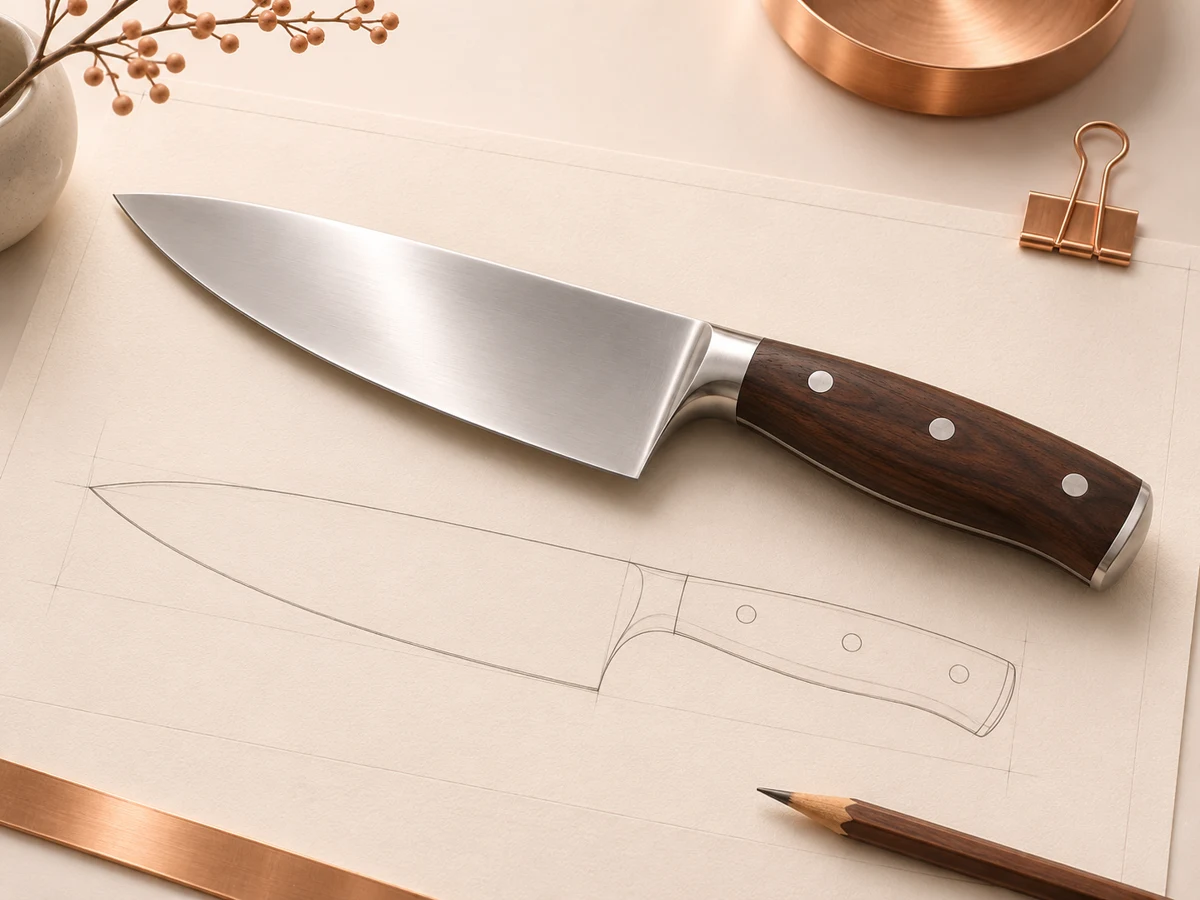
The starting point is the task the knife must perform. A chef’s knife, utility knife and slicing knife may need different profiles and handling characteristics. Define the dimensions and evaluation criteria together so a visual reference becomes a specification that can be sampled and checked.
Handle Ergonomics & Knife Balance
Comfortable handling depends on the relationship between blade weight, handle structure, grip design, and overall balance. These factors are reviewed according to the intended user and product application.
Sample reviews should consider grip position, transitions between components and how the knife feels during its intended use. Feedback is more actionable when it identifies a specific handling concern, such as a sharp transition or an unsuitable grip profile. Agreed changes can then be checked on a revised sample.
Material Selection for Product Positioning
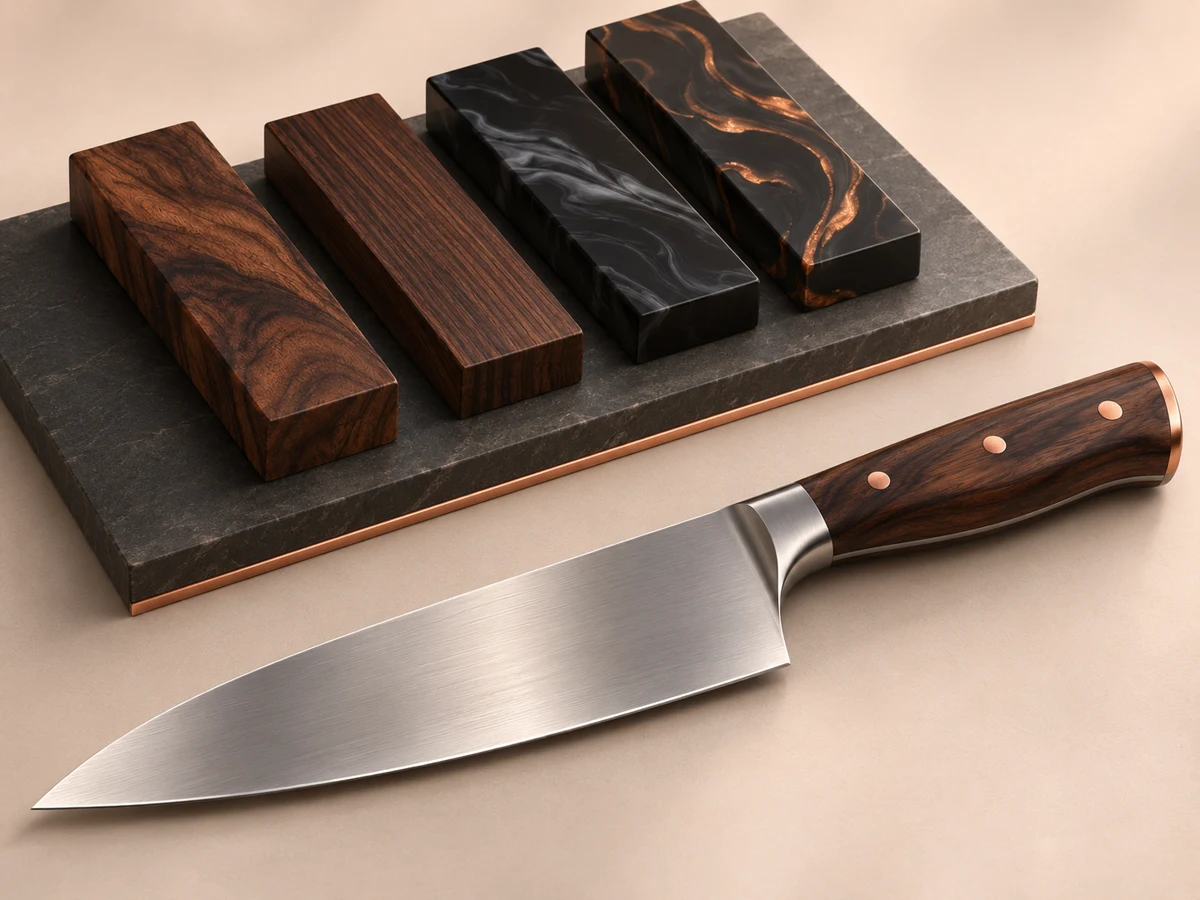
Material decisions should support the intended balance of corrosion resistance, durability, edge performance, maintenance requirements, and target cost. HONWAY works with customers to evaluate available options before finalizing product specifications.
Tell us which characteristics are essential and where trade-offs are acceptable. A material decision may affect processing, finish, maintenance and supply planning as well as purchase cost. Preferred materials should be identified precisely and reviewed for availability before the design is finalized.
Prototype Development & Validation
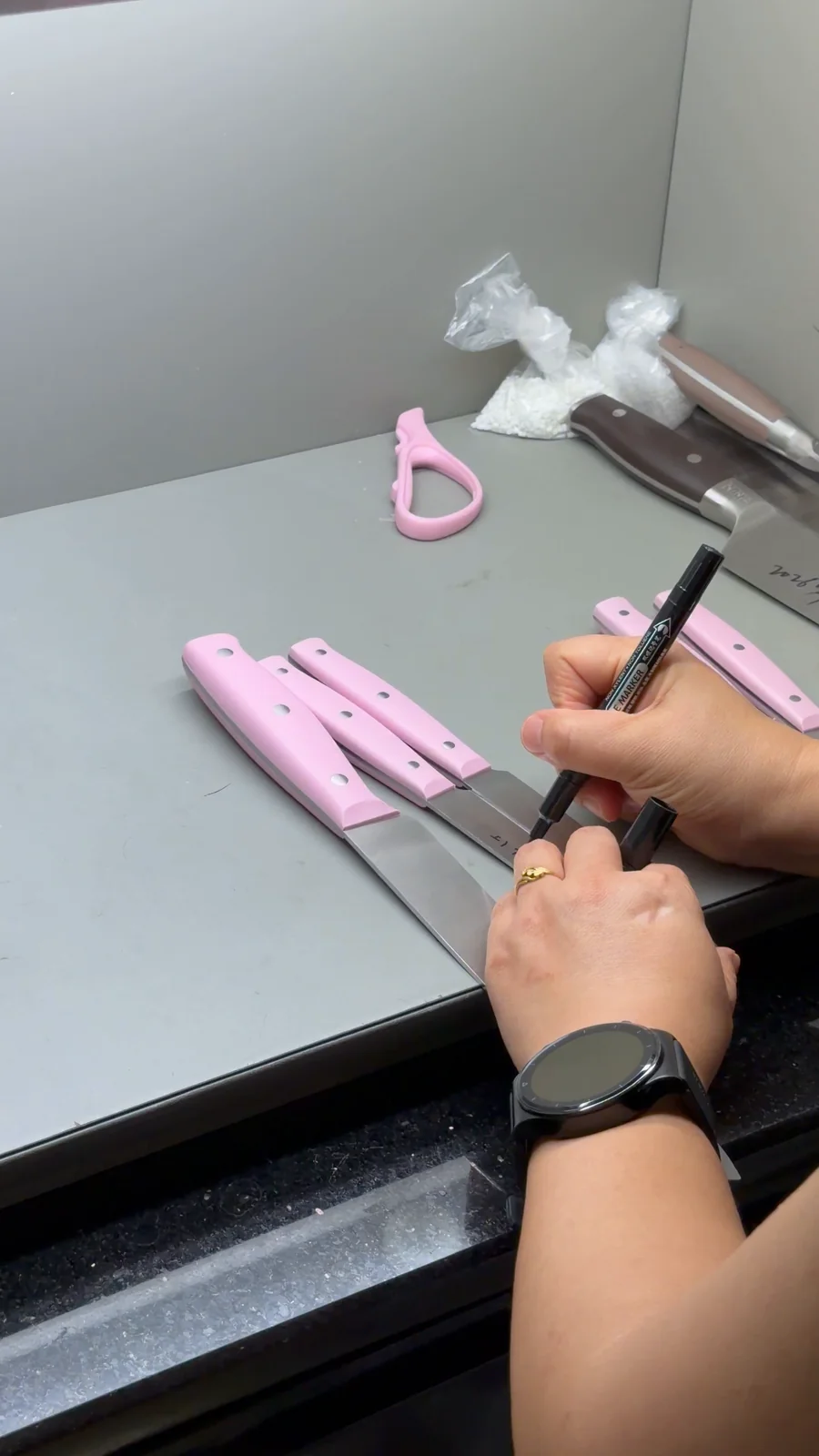
Prototypes provide an opportunity to evaluate appearance, handling, construction, and product performance before committing to mass production. Findings from sample reviews can be used to refine the design and prepare approved specifications.
Agree on what the prototype is intended to validate. Appearance samples, functional samples and production-reference samples may answer different questions. Record findings against the current drawing and identify whether a change requires further testing or another physical sample before approval.
Design for Manufacturing Consistency
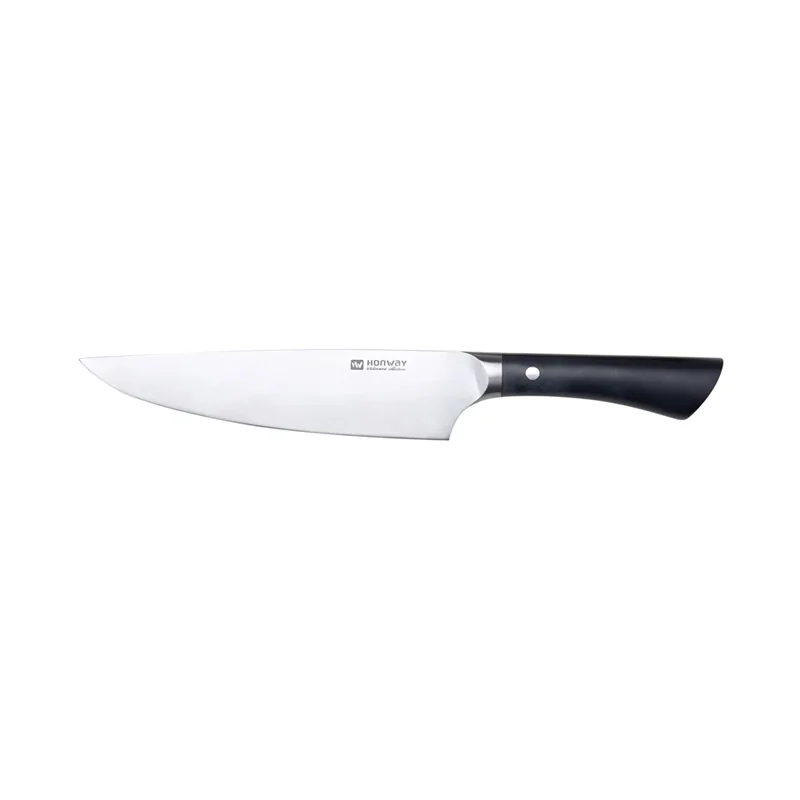
A successful design must also be practical to manufacture repeatedly. Production-oriented engineering helps identify potential challenges in assembly, material use, dimensional control, finishing, and process consistency before larger orders begin.
Features that look acceptable in a single sample also need to be achievable in repeated production. Review component fit, accessible finishing surfaces and how critical dimensions will be inspected. Resolving these issues early helps reduce avoidable revision and gives purchasing teams a clearer basis for production planning.
From Concept to an Approved Sample
The development record should connect each physical sample to a specific drawing revision. This makes customer feedback easier to implement and helps the final approval define what will be manufactured.
Concept
Define the intended user, application, appearance and commercial brief. Identify essential requirements before exploring detailed solutions.
Technical Drawing
Translate the agreed direction into dimensions, construction details and material requirements that can be reviewed for feasibility.
Prototype
Prepare the agreed sample type and record its revision. Identify any aspects that do not yet represent the intended production configuration.
Evaluation
Assess appearance, handling and agreed technical requirements. Provide consolidated feedback with clear acceptance points.
Revision
Review the effect of requested changes on materials, tooling, cost and timing. Update the drawing and sample reference as necessary.
Approved Sample
Confirm the final reference and related specification. Approval should identify the accepted version and any agreed limitations.
Related Capabilities
Frequently Asked Questions
Can HONWAY work from existing technical drawings?
Yes, existing drawings can form the starting point for review. Provide dimensions, tolerances, material requirements and the latest revision. HONWAY will confirm the usable file format and identify any missing information before development begins.
Can you help improve a customer's knife design?
A customer design can be reviewed for handling, construction and manufacturing feasibility. Recommendations should be evaluated against the product brief and approved by the customer before changing the design.
How are materials and blade geometry selected?
Selection begins with intended use, market positioning and the required balance of performance, maintenance and cost. Geometry and materials are reviewed together, then assessed through the agreed sampling and verification process.
Is prototype testing available?
Testing requirements can be included in the prototype brief. The method, acceptance criteria, provider and reporting scope need confirmation before testing is scheduled. Not every sample requires the same tests.
How are design changes controlled before mass production?
Record the requested change, its reason and the affected drawing or specification. Review impacts on cost, tooling, testing and timing, then obtain approval for the revised version before releasing it for production.
Develop Your Next Kitchen Knife with HONWAY
Share your concept, current drawings and the questions you need engineering to resolve. Include the intended application and any requirements that must remain fixed.