
Material Selection for Reliable Kitchen Knife Manufacturing
The Right Materials for the Right Product
Selecting suitable materials is an important foundation of kitchen knife performance. HONWAY evaluates available steel and handle material options according to product requirements, intended use, corrosion resistance, durability, manufacturing feasibility, and target cost.
Steel Options for Different Kitchen Knife Applications
A material specification should identify the steel precisely and explain why it is suitable for the intended knife. Review the documented grade, supply condition and intended construction alongside processing and inspection requirements. Availability and origin must be confirmed for the specific project. Material sourcing should be documented for the agreed supply arrangement.
Material
Identify the exact designation and supporting supplier documentation. Do not treat similar-looking grade names as interchangeable without review.
Characteristics
Discuss the required balance of corrosion resistance, edge performance, durability and maintenance using evidence applicable to the selected material and process.
Typical Applications
Relate the material to the intended knife type, use and product positioning. Avoid suggesting that a single grade is best for every application.
Customization Considerations
Confirm availability, construction, finish, treatment and testing requirements before the material becomes part of the approved specification.
Selecting Materials Based on Product Requirements
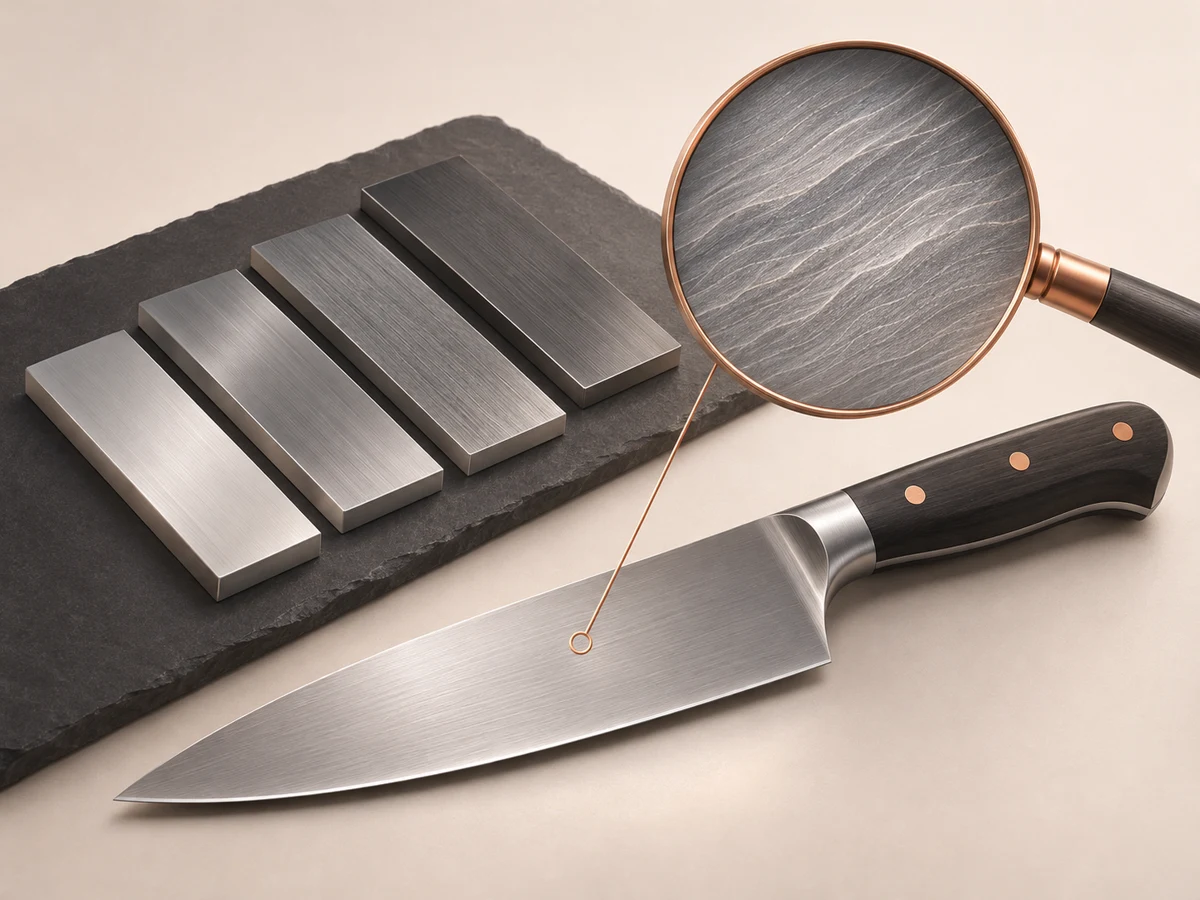
Different kitchen knives require different combinations of cutting performance, corrosion resistance, durability, maintenance needs, and cost. Material selection should reflect the intended market and application rather than relying on a single material specification.
Share your target price positioning, intended user and expected maintenance conditions. If one characteristic has priority, explain why it matters to the product. The proposed material can then be assessed with blade geometry and processing, rather than judged by a grade name alone.

Material Identification & Incoming Inspection
Incoming material checks help verify that supplied materials and components match approved purchase and product requirements. Where applicable, material documentation and batch identification can support quality review and production records.
The inspection scope should reflect the approved purchase requirement and the component involved. Check what documentation is supplied, how material is identified and which characteristics need verification before production. Any uncertainty about a substitution should be resolved before the material is used.

Handle Material Options
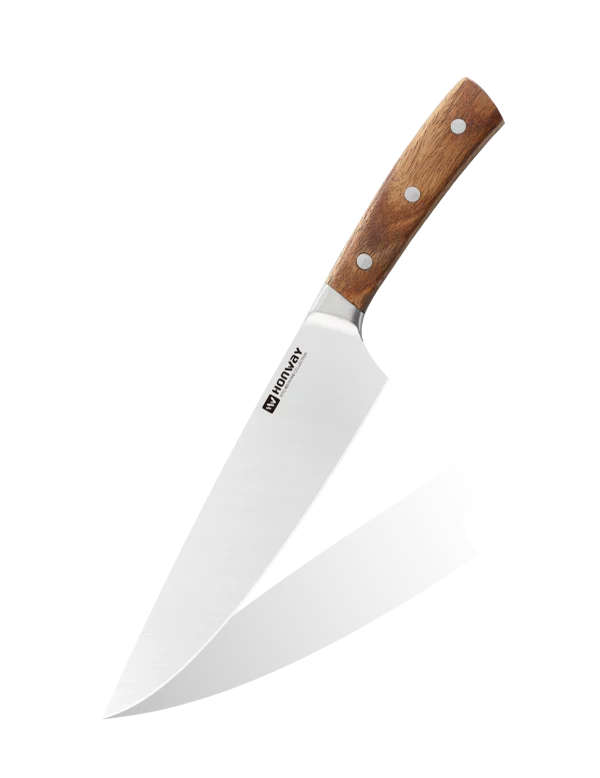
Handle materials affect appearance, grip, maintenance and assembly as well as cost. Discuss the desired finish, texture and construction with the product brief. Wood, G10, resin, composites or other proposed materials require confirmation of the actual grade, supply and processing arrangements before they are offered for production.
Appearance & Handling
Review the finish and grip on a physical sample. Where natural variation is relevant, agree on an acceptable appearance range rather than relying on a single photograph.
Construction & Care
Consider how the selected material fits the handle assembly and intended care instructions. Material selection should be coordinated with construction and verification requirements.
Supporting Consistency from the Start
Approved material specifications and appropriate incoming inspection provide a foundation for controlled production. Material substitutions should be reviewed against product requirements before use.
For repeat orders, confirm the approved material designation and the reference specification. A proposed alternative should be reviewed for its effect on processing, appearance, performance and any required testing. Written approval gives both teams a clear basis for managing material changes.
Related Capabilities
Frequently Asked Questions
What steel types are available for OEM kitchen knives?
Available steel types must be confirmed for the proposed product and order. Send your preferred designation and performance requirements. HONWAY will review availability and the relevant documentation before the material is specified.
How do you select materials for different price points?
Selection considers intended use, construction, finish, performance requirements and target cost together. The aim is an appropriate product specification, not simply the lowest material cost or the highest stated hardness.
Can customers specify their preferred blade steel?
Yes, a preferred steel can be included in the brief. Provide its exact designation and any required supporting documentation. Availability, processing feasibility and acceptance requirements must be confirmed before production.
How are incoming materials checked?
The agreed checks should compare incoming materials and components with purchase and product requirements. The available documentation, identification method and verification scope must be confirmed for the specific material.
Can handle materials be customized?
Handle material proposals can be reviewed during development. Confirm the appearance, grip, construction and care requirements, then approve a physical sample and the actual material specification before production.
Discuss Materials for Your Next Knife Project
Share your preferred materials, product positioning and performance requirements. Our team can review the options and identify the specifications that need confirmation.