
Scalable Kitchen Knife Manufacturing & Production Capacity
Manufacturing Capacity Built for Consistent Production
Reliable kitchen knife manufacturing requires the coordination of equipment, skilled personnel, production planning, and quality control. HONWAY combines manufacturing processes and operational experience to support the production requirements of OEM and ODM customers.
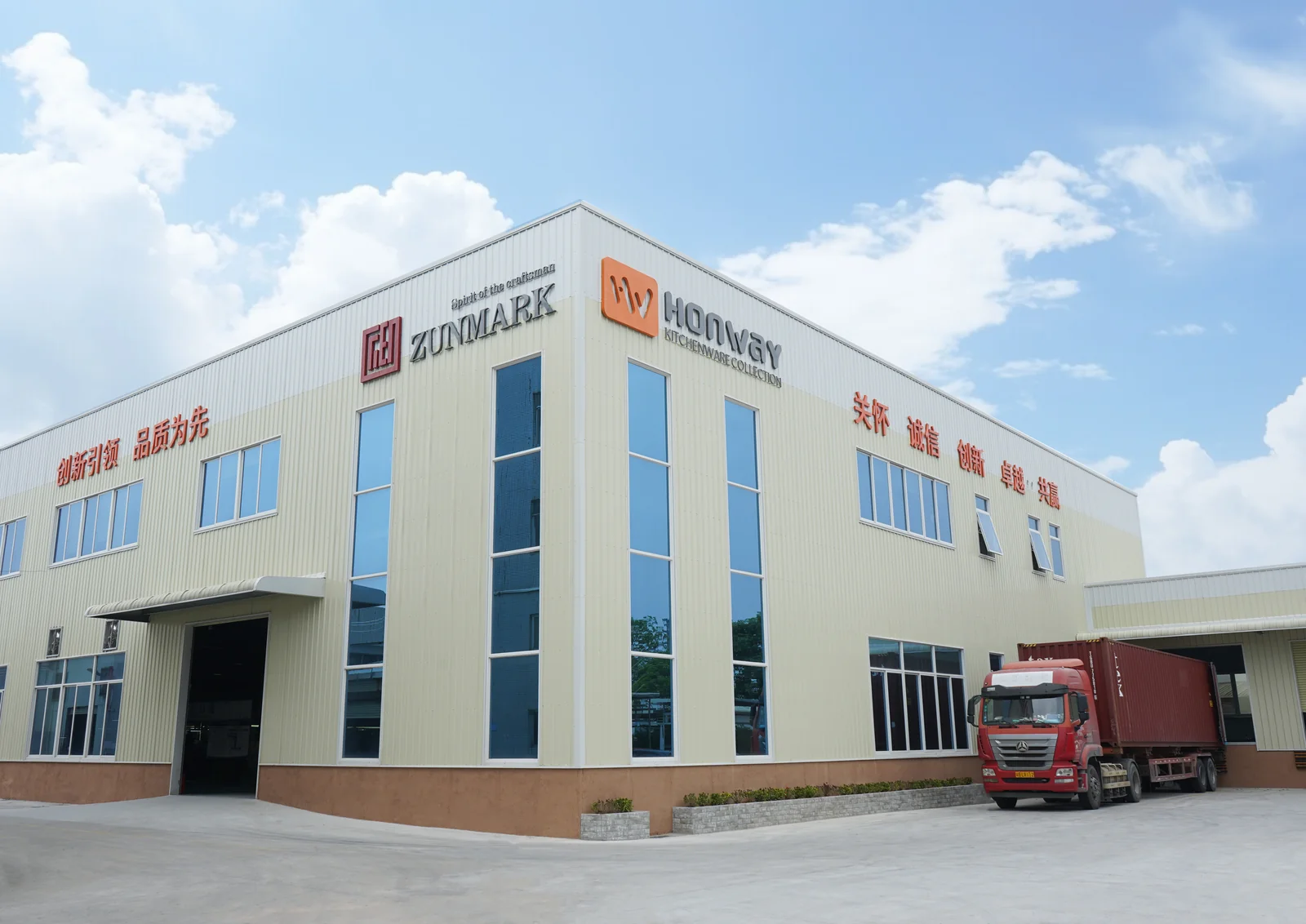
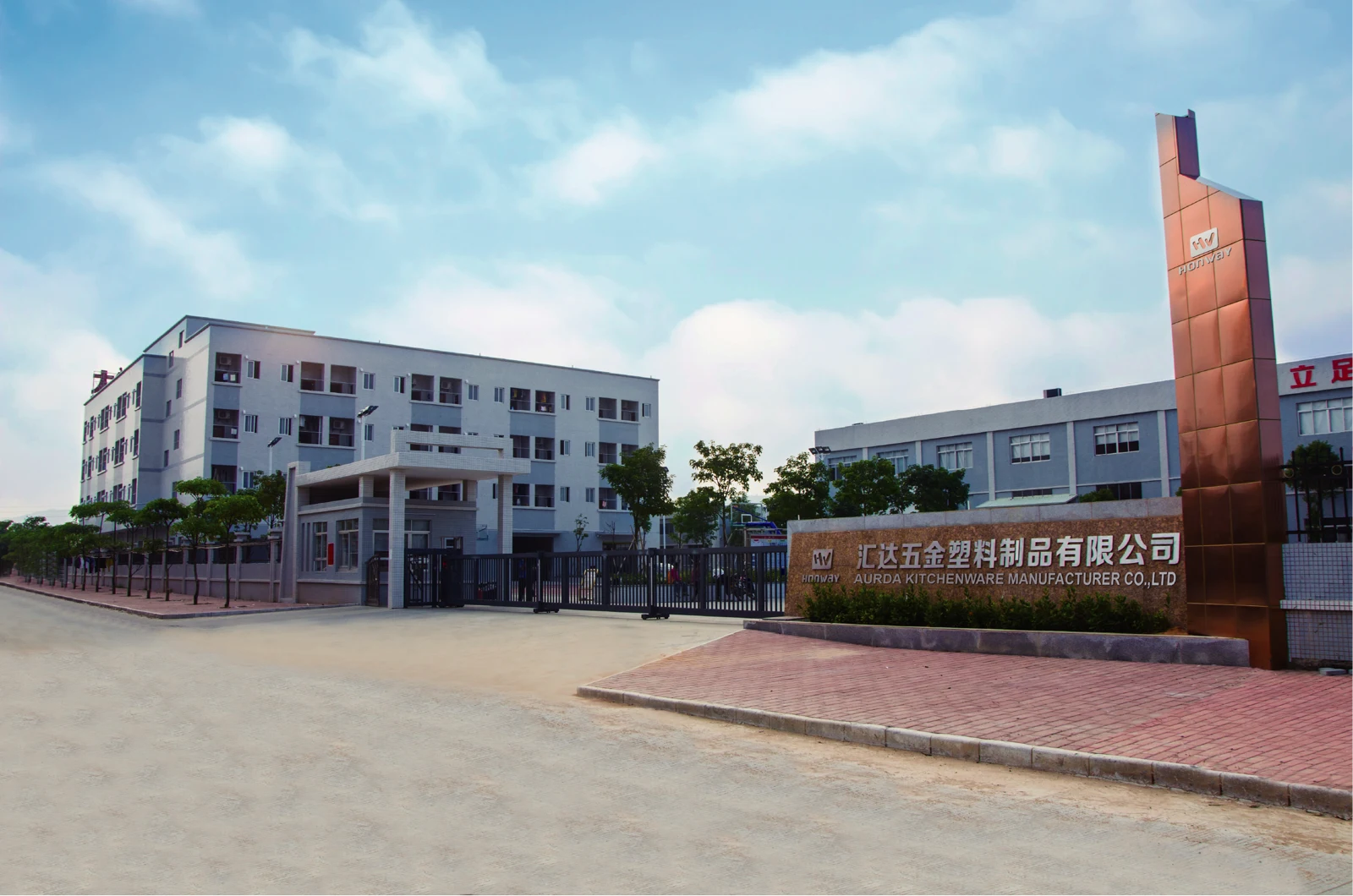
Our Manufacturing Facilities
A factory review should connect the facility with the products it makes and the operations it performs. Discuss the relevant workshops, equipment and staffing arrangements for your knife project. Confirm which activities take place on site and whether any part of the proposed route involves an external provider.
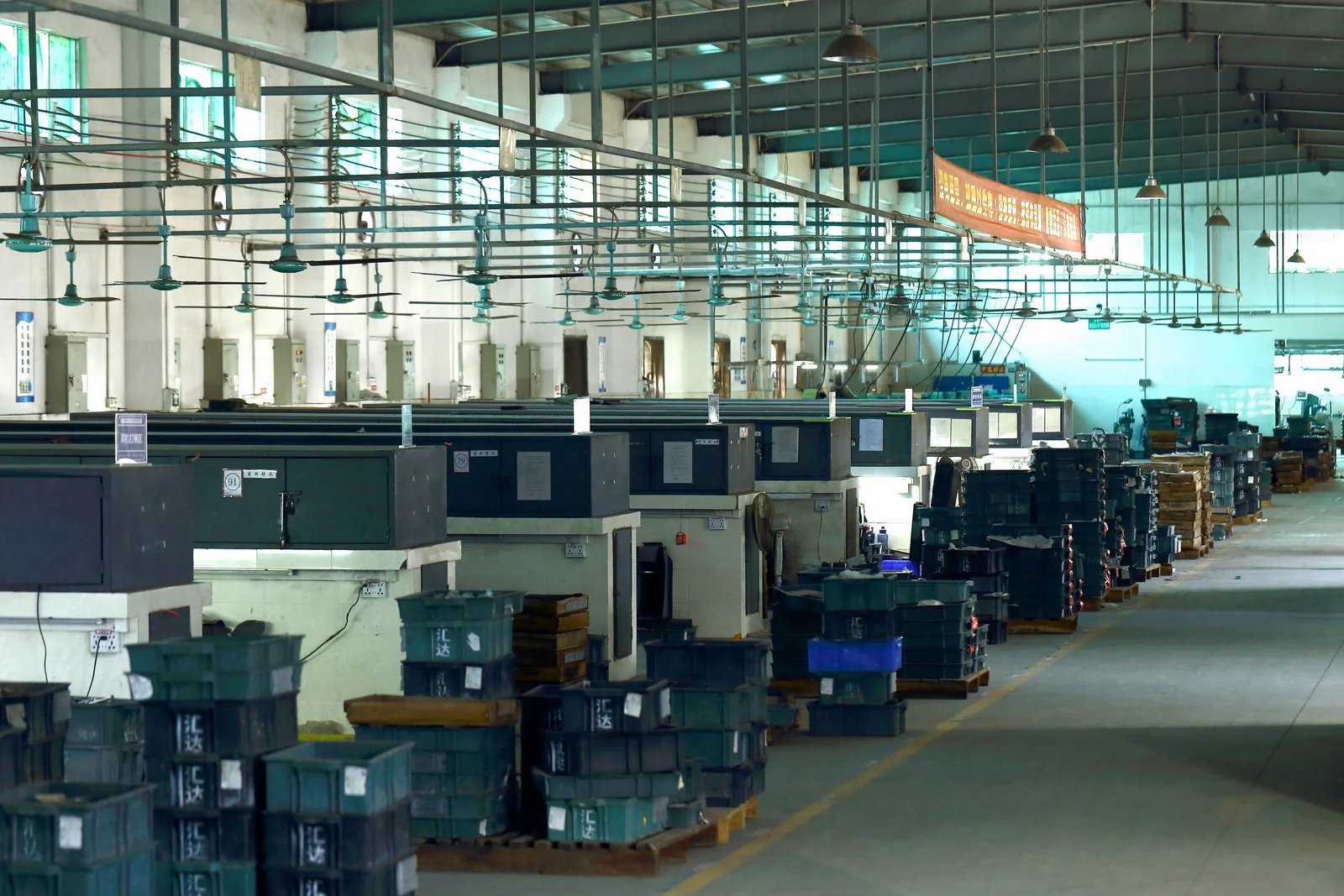
Manufacturing Equipment & Production Processes
Review equipment in the context of the operation it supports. The applicable route depends on the product, and some steps may be combined, omitted or assigned differently. Confirm the actual equipment, ownership and in-house or external scope before using this overview as a factory capability statement.
Blade Preparation
Prepare blade blanks to the approved material and dimensional requirements using the confirmed production route.
Welding
Where the construction requires welding, confirm the applicable joint, operation and inspection requirements. Welding is not assumed for every knife.
Heat Treatment
Match the processing route to the steel and approved product requirements, with suitable verification of the resulting blade condition.
Grinding
Develop the specified blade geometry while reviewing the dimensions and surface condition relevant to the product.
Polishing
Prepare the agreed surface appearance and finish. Review the production reference and acceptable variation before release.
Edge Sharpening
Prepare and assess the cutting edge against the product-specific requirements and agreed evaluation method.
Handle Assembly
Fit the components according to the approved construction, with checks appropriate to alignment, fit and assembly security.
Laser Marking
Where laser marking is the approved method, apply the confirmed artwork and check its position and appearance.
Quality Inspection
Review product characteristics at the agreed checkpoints and assess deviations against the applicable requirements.
Packaging
Match products to approved packaging and verify the agreed labels, quantities and packing configuration.
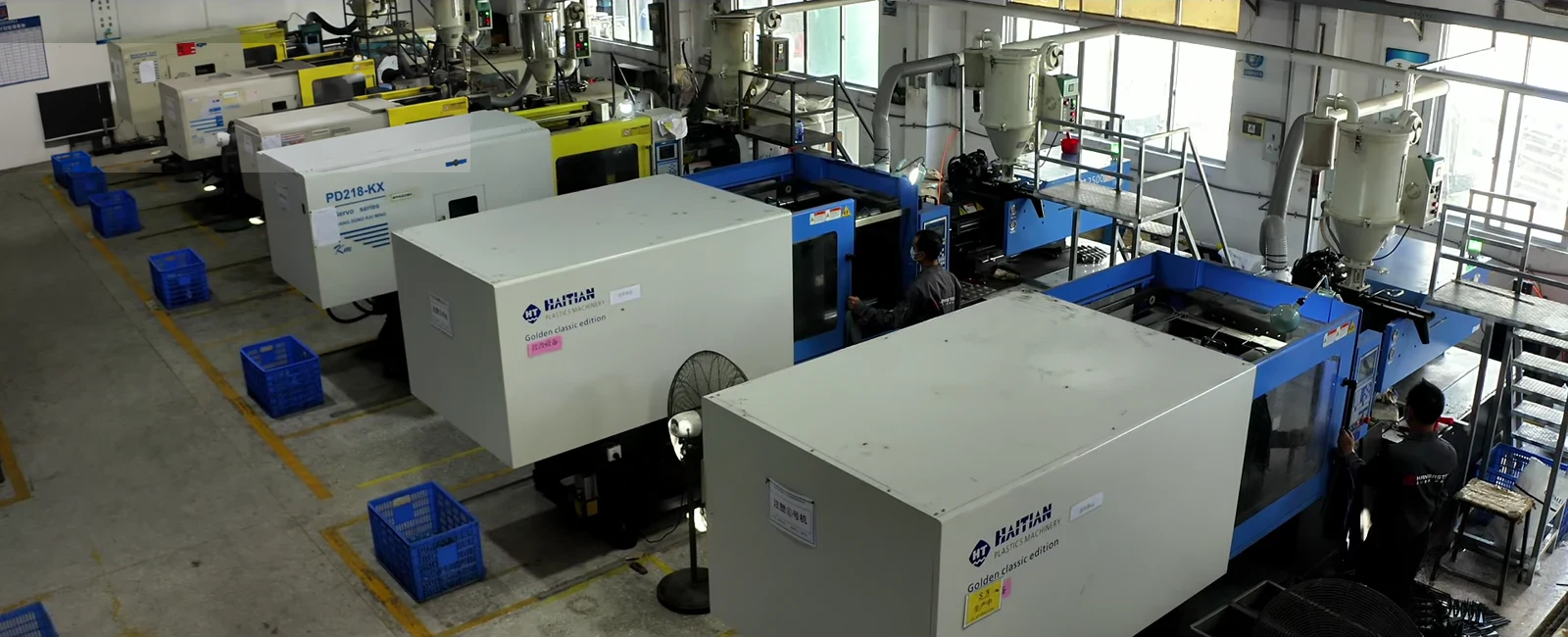
Combining Automated Processes with Skilled Workmanship
Automated equipment can support repeatability in suitable production operations, while experienced manufacturing personnel remain important for process adjustment, finishing, assembly, and quality evaluation. A coordinated approach supports efficient production and consistent product standards.
The useful question for buyers is which operations are controlled and how their results are checked. Automation should be described at the operation level, with the role of operators made clear. An automated machine does not mean that every production stage or inspection is automated.

Planning for Different Order Requirements
Production planning involves reviewing product specifications, material availability, manufacturing processes, order quantities, and delivery requirements. Clear coordination helps customers assess the feasibility of their production schedules.
Order mix matters as well as total quantity. Different blade constructions, finishes or packaging versions may require different resources. Share your SKU quantities and required shipment date so the production team can assess the relevant constraints before a delivery commitment is agreed.

Supporting Scalable OEM/ODM Manufacturing
Scaling production requires more than increasing output. Approved specifications, process stability, quality inspection, and production coordination all play important roles when moving from samples to repeat orders.
Repeat orders should refer to the approved specification and any agreed revisions. Changes in order size, product mix or delivery expectations need review because they can alter the production plan. Confirm the inspection scope and communication milestones when planning a larger or repeat program.

Factory Facts
Discuss the facility and output information relevant to your proposed order. Capacity figures are most useful when the product mix, operating assumptions and reporting period are clearly defined.
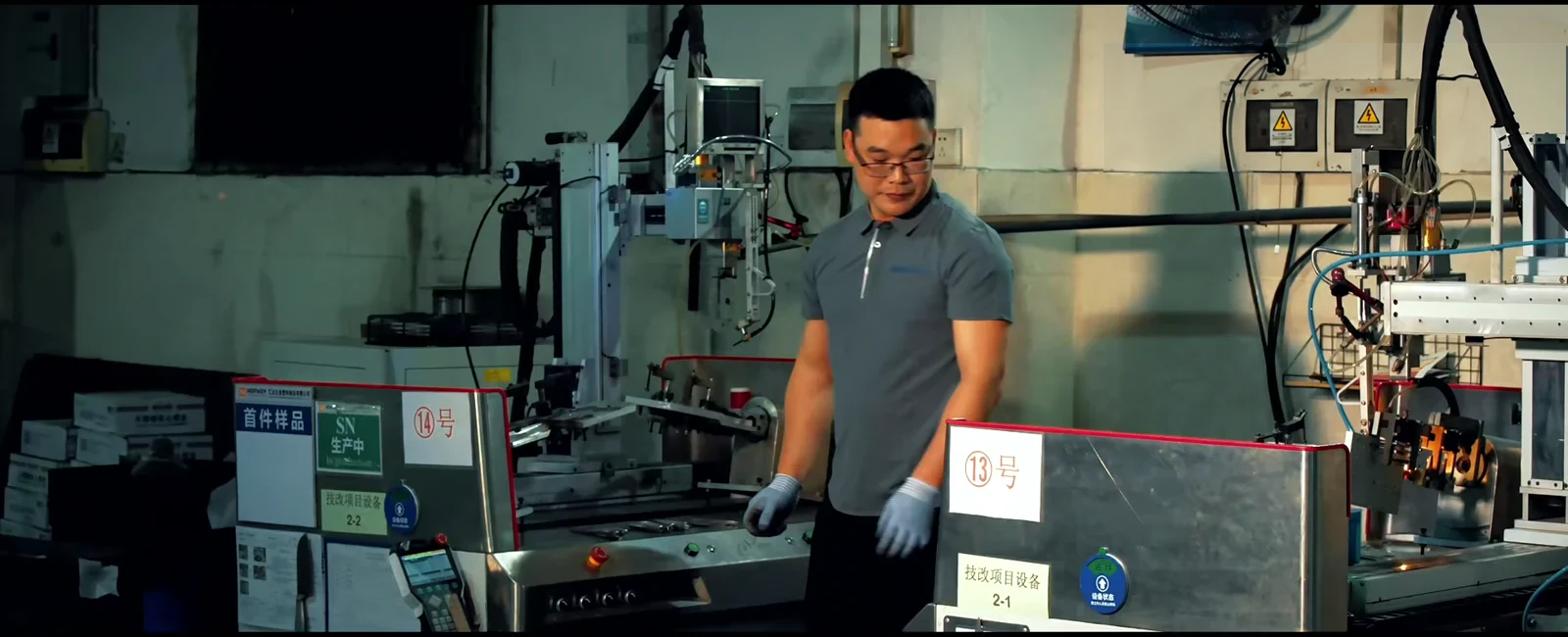
A Closer Look at Manufacturing
A factory overview can help buyers understand the working environment and the relationship between production and inspection. Use the walkthrough as a starting point for a project-specific discussion about the operations, specifications and planning requirements that apply to your order.
Related Capabilities
Frequently Asked Questions
What is HONWAY’s monthly production capacity?
Capacity needs to be confirmed against the product mix, quantity, processes and available production plan. Send your SKU and timing requirements for a project-specific assessment rather than relying on an unqualified monthly figure.
Are all manufacturing operations automated?
Automation should be confirmed for the individual operation. Skilled personnel remain relevant to setup, adjustment, assembly, finishing and quality review. The applicable production route will be reviewed for your product.
Can production be scaled for repeat orders?
Repeat-order requirements can be reviewed using the approved specification and updated quantities. Materials, manufacturing resources, inspection and timing must be assessed before the revised production plan is confirmed.
What information helps you assess an order?
Provide the product specifications, SKU mix, quantities, packaging needs, inspection requirements and required shipment date. These inputs help identify the resources and approvals needed for a feasible plan.
Discuss Your Manufacturing Requirements
Tell us your product specifications, SKU mix, quantities and shipment requirements. Our team can review the production needs and discuss a feasible plan.